

Hello, readers…
Welcome to the last issue of our first year! Phew… almost 150,000 words later, I am glad we made it this far with so much more to come.
Yesterday I was making kofta, the Egyptian meal my family loves, with some 1970s anti-establishment rock blasting away in the kitchen. My 16-year-old daughter appeared and asked about the election. She probably regretted it, because I launched into an all-timer dad lecture about our family history and politics.
My daughter is the most passionate artist of my three kids. I told her the lesson from the election has nothing to do with “Did the right side win?” or “Is this the end of Trump?” History will answer that. The message I wanted her to hear was simple: if you don’t like the way things are going, don’t pray for elections to make things better.
I reminded her that both sets of her grandparents fought against terrible regimes, left their families and their homelands behind, and courageously rebuilt their lives in other countries. My father always used to say, “Speak the truth and fear nothing.” I want my children to stand up for themselves and fight for what’s right.
If you’re an artist, you’re in an enviable position. You have the greatest way to push back against the status quo: your creativity. Make something powerful enough to change how people think. As Phil Ochs put it, “In such an ugly time, the only true protest is beauty.” You can change the country much more than any bureaucrat in DC can.
Even though this is the election special, that’s as political as I’m going to get, folks. You don’t subscribe to Mr. Thread for me to tell you how to vote. I’m looking at this week’s result as a father and as somebody who has spent 30 years running businesses in our industry.
This week voters delivered an enormous result. The Democrats won control of both the House and Senate, with at least 54 seats in the Senate and plenty of House races still being counted as I write. When the new Congress arrives in January, Washington is going to become the most expensive divided household in America. I predict some turbulence ahead for us.
When I joined this industry three decades ago, the old heads told me rich clients insulated us from ordinary economic downturns. Billionaires still buy fine fabrics and furnishings during a stock-market wobble, they said. But they did offer one warning: election years are terrible for the design business. Why?
Uncertainty is poison. A year ago, we used that as the headline of the very first Mr. Thread journal, and I think it may still hold our open-rate record. We only had four readers back then, but every one of you opened it.
Anyway, the client who’s been waiting to commit to a huge project just lost one excuse. Sure, there are still tariffs, high mortgage rates, and a stock market propped up by the AI boom to worry about. So the team and I have gone through the results to predict 7 ways the election will affect your design business.
Buckle up.
See you next week!
Mr. Thread
P.S. Don’t just read, play! This week we’re launching the next installment of PLAYTIME: a two-truths-and-a-lie quiz for the design industry. Scroll down to enter!
7 ways the midterms could rock the design industry
The “wait-and-see” client unfreezes
Fun (sad) fact: election years are usually bad for the design industry, especially presidential election years. So I’m glad this one is finally over. I’ve spoken to lots of colleagues over the past few weeks; we are all quietly talking about very soft numbers in our pipelines. My gut tells me that the uber-rich were waiting to see who the next government is gonna be before making major interior design investments in the U.S. (These mega projects really move the needle in our business). Thank God that uncertainty is gone, along with the incessant ad pollution we’ve been subjected to.Every designer has a client who’s been waiting to “see what happens in November.” Well, something happened and now it’s time to pick up the phone.
Confidence was already on the up before Election Day. The Conference Board’s Consumer Confidence Index, which measures how consumers feel about the economy, rose by 7.5 points in October. Call this week and take their temperature.
I think we may feel a little post-election bounce, unless…
The AI bubble is now an interiors story
I’ve said this for years, but our high-end industry has terrible data. We have to read tea leaves, study furniture retail, housing, interest rates and any other numbers that might explain why the phone is ringing or why it isn’t. Personally, I spend a lot of time reading about and thinking about AI.Voters sent a loud message about AI on Tuesday. They aren’t only worried about Terminator scenarios. They’re worried about real things: lost jobs and the data centers AI needs to keep growing. People are worried about power bills, water use, noise, and waking up one morning to a giant fucking warehouse outside their window. And they just voted in the party promising heavy AI regulation and a freeze on new data centers.
The bigger question now: will this shift in Washington derail the companies leading the AI race? And what happens if investors decide the companies building all this infrastructure can’t make enough money from it? Well, there’s your bubble. Plenty of experts have been warning that an AI bubble could decimate the stock market and push the world into a global recession. You don’t need me to tell you a stock market collapse and global recession would not be good for our industry.
Many of your luxury clients’ portfolios are full of stocks riding the AI rollercoaster. So a lot of their net worth is invested in AI stock! A sharp fall can make even Daddy Warbucks panic. If AI goes boom-boom, that panic will hit architects, decorators, showrooms, and workrooms, and we’ll all be crying into our paint samples.
I know this is a depressing topic, but in the coming weeks we will be talking a lot about how to prepare your company or design firm to survive, and even THRIVE, during an economic downturn.
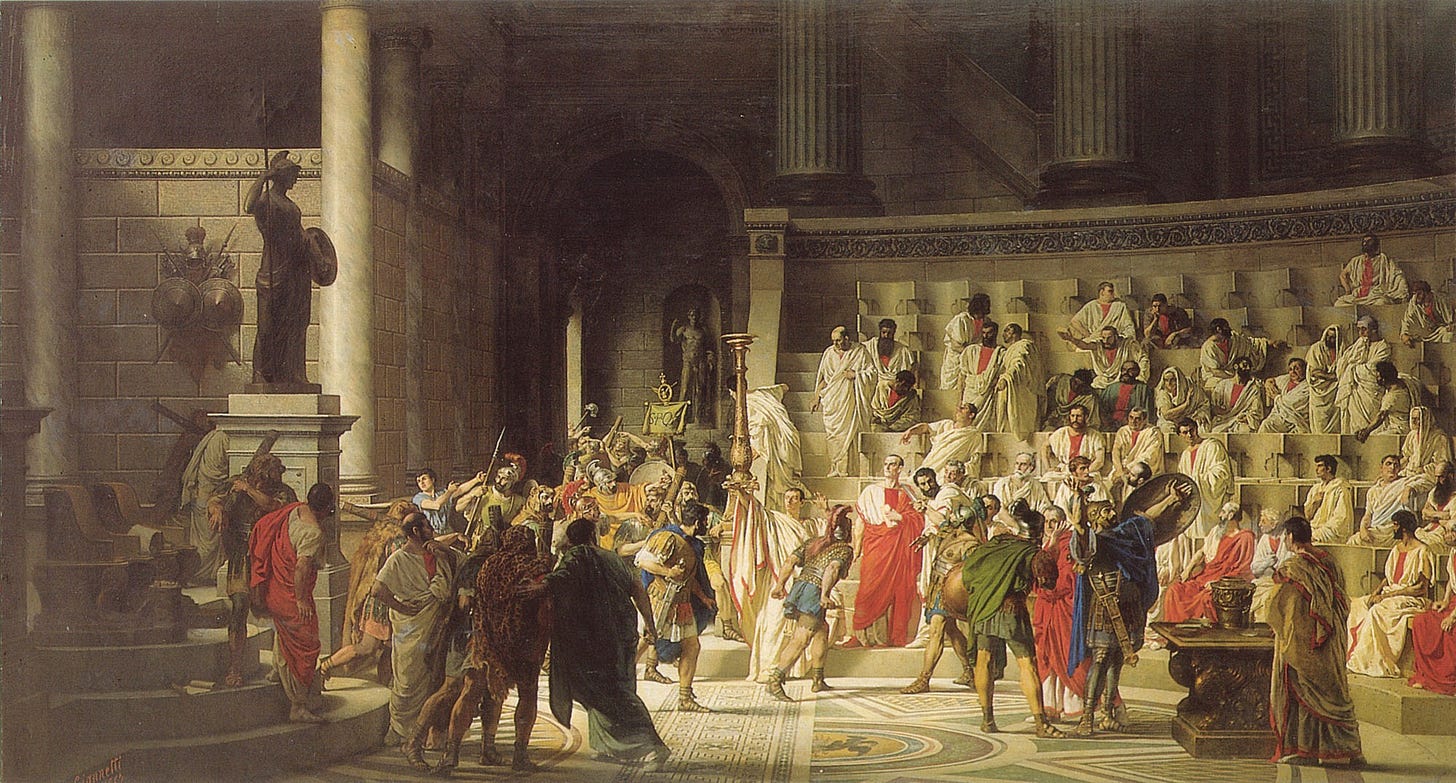
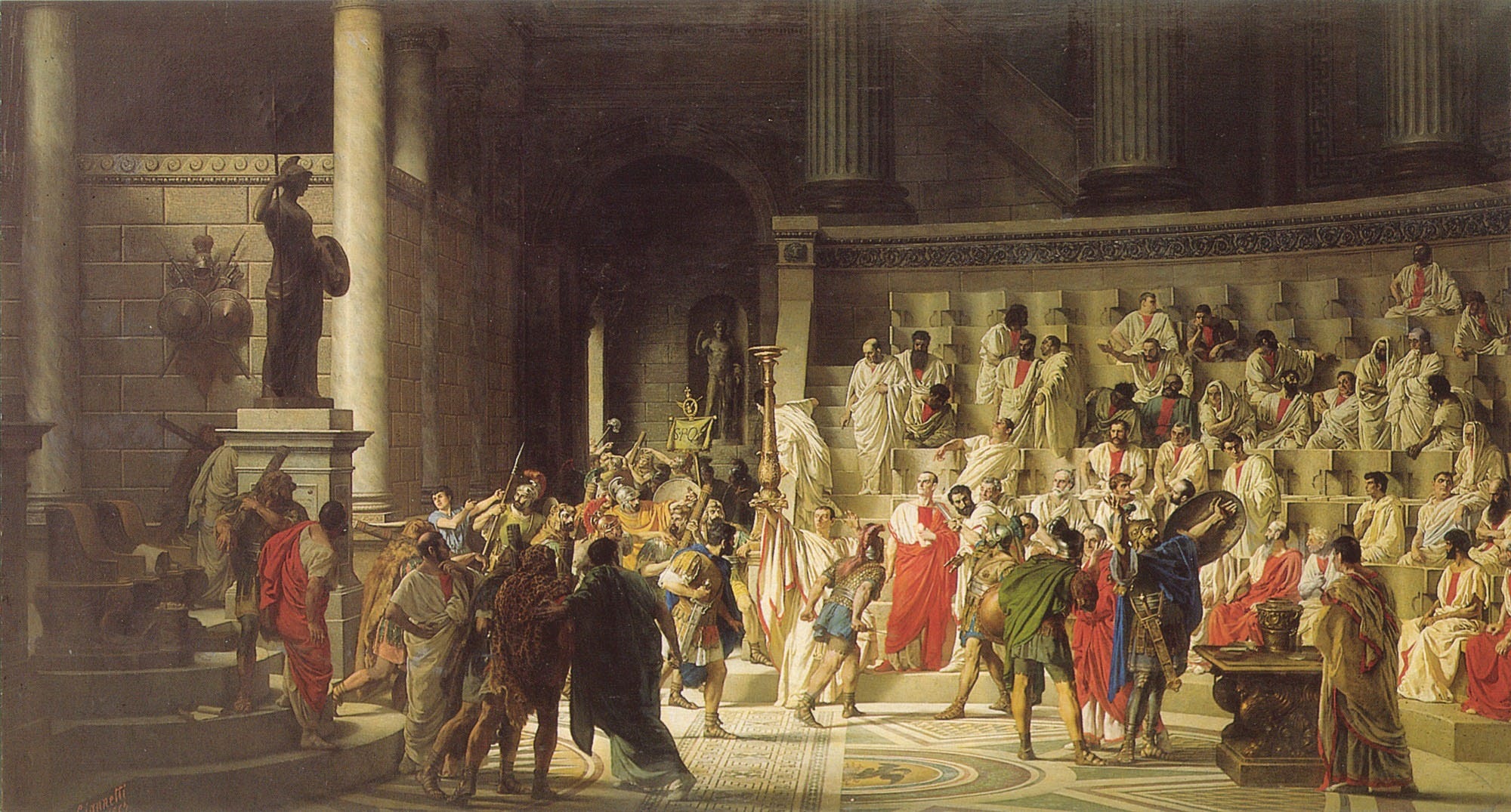
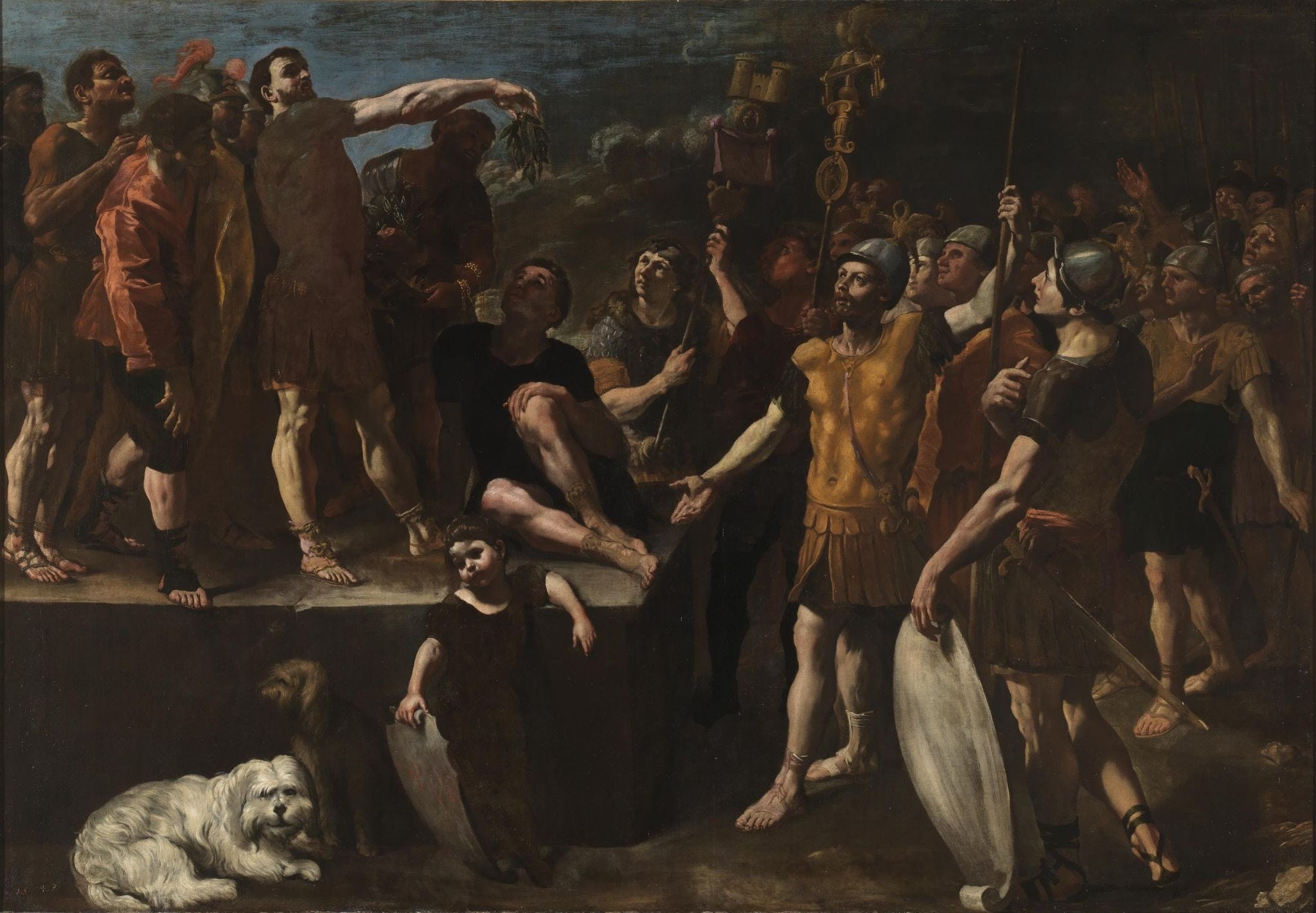
Raffaele Giannetti: The Last Senate of Julius Caesar Don’t count on tariff relief
I’m not building my 2027 budget around Washington suddenly becoming reasonable about tariffs.
The standard duty on covered upholstered wooden furniture, kitchen cabinets and vanities is still 25%. On January 1, it’s scheduled to rise to 30% for upholstery and 50% for cabinets and vanities. Some countries have different deals, so check where your order is coming from before doing the math.
Democrats want to curb tariffs. I am not sure how I feel about that yet, as it is noble to want our homeland manufacturing to thrive. Tariffs can be good if they’re not imposed in the brainless way this administration imposed them. But these furniture duties fall under Section 232, separate from the emergency tariffs the Supreme Court struck down in February. Winning an election doesn’t cancel them.
Ask your supplier what happens if the duty changes before your order arrives. Then agree with your client on who pays the difference. Have that conversation before taking the deposit. Nobody wants to explain an extra few thousand dollars when the sofa is already in transit.
But here’s the silver lining. One unintended consequence of all this tariff chaos seems to actually be working. Designers are shopping closer to home. In 1stDibs’ latest designer survey, 72% plan to source pieces from domestic sellers in 2026. Tariffs are a big reason why, alongside speed and sustainability. One designer in the survey summed it up: “more domestic sourcing to avoid tariffs.” That’s good news if you make things here, source here or invest here.
Either way, designers, talk to your clients about shopping domestically. Don’t wait for an invoice to be the first time they hear the word “tariff.” Bring it up at kickoff, again when you present the budget, and anytime a vendor sends a price change. Clients can handle bad news. What they can’t handle is surprises.
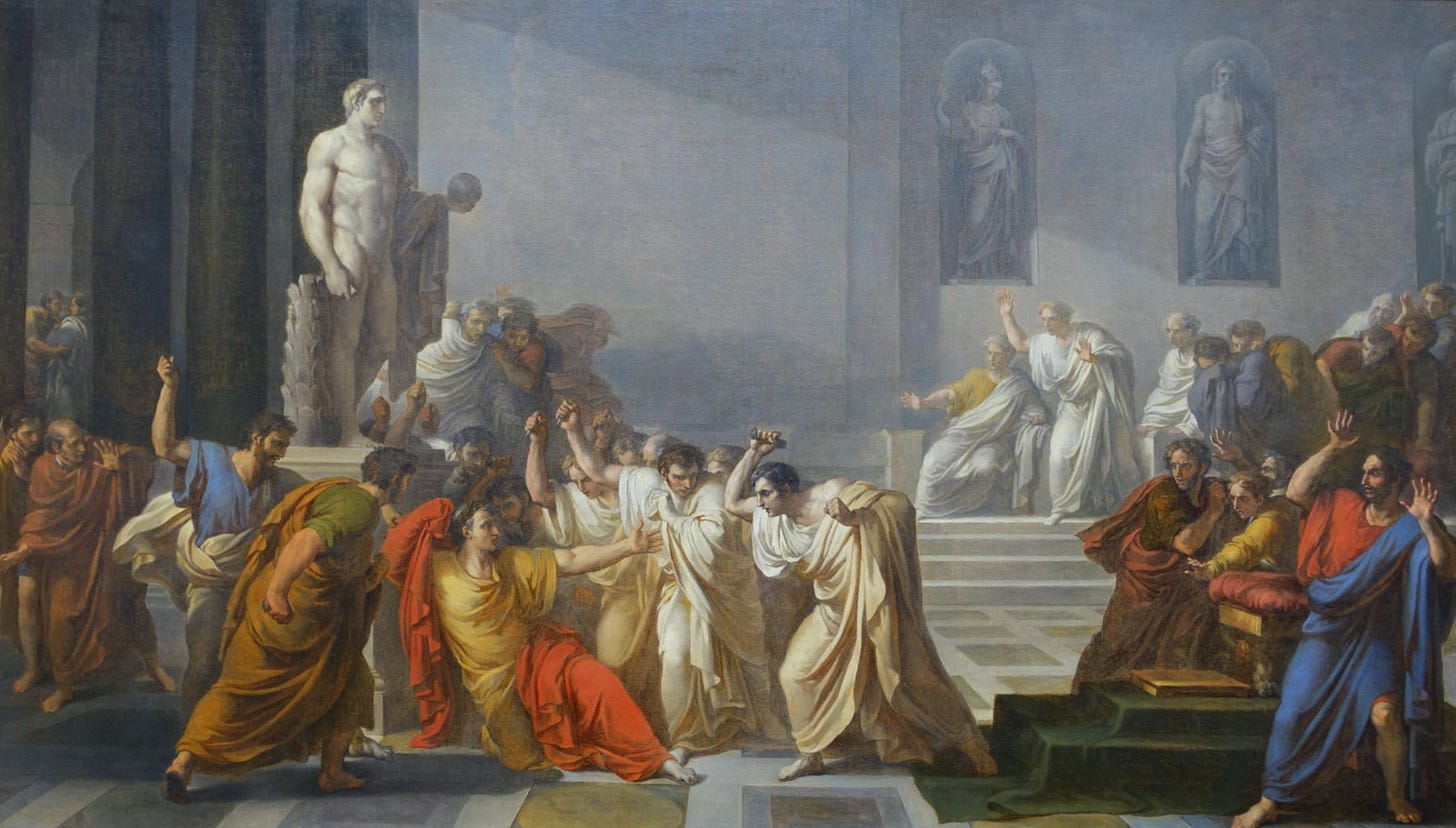
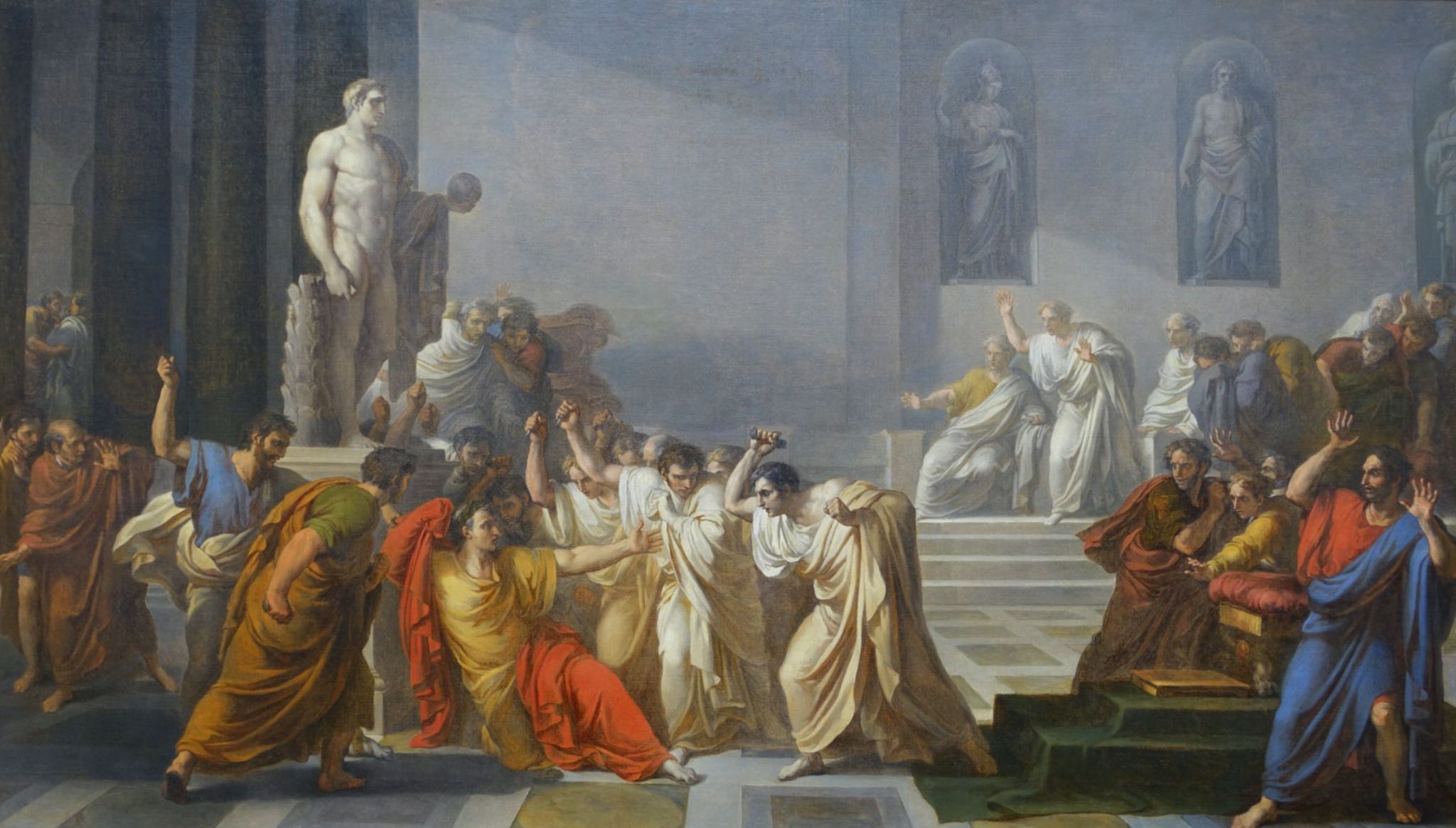
Vincenzo Camuccini: The Death of Julius Caesar Maximalism’s humanity will continue its rise
America has just spent months being campaigned at and yelled at. I’ve personally deleted thousands of spam political text messages. I have a feeling we’re not about to retreat into another decade of “agreeable gray” rooms with Apple Store aesthetics.
Clients were already begging for maximalism before these votes were counted. In 1stDibs’ survey of 468 design professionals, 39% named it one of the styles clients wanted most. Designers are making rooms personal again with striking colors, wild patterns, skirted upholstery, and crazy shit like wallpaper on the ceiling.
My prediction is that two years of cable-news hysteria will push this even further. Your clients will need rooms that feel like snuggle-maxxing with grandma, or a huge distraction from the madness outside the windows. We’re talking fabric on the walls, colorful ceilings, pattern on pattern on pattern. If in doubt, put a tassel on it.
Maximalism in interiors, when done right, is human, warm, organic… and just us. I think it is an interesting countertrend to the chaos outside our homes.Purple will have a moment
Somewhere, a marketing executive at a paint company is watching the news and working on this pitch: “Red plus blue gives you purple!” I’ll bet in 18 months purple is going to be everywhere, and you’ll see colors like Constitutional Aubergine and Non-Partisan Periwinkle. Mark my words.
I’m ahead of the trend, guys. Take a Zoom call with me and you’ll see my office walls are covered in purple fabric. It’s a leaf pattern that was made in a special color for a client. I saw a photograph, fell in love, and had it railroaded so the leaves point toward a wall of art my children made for me before they got interested in politics. I built the rest of the room around it.
Purple itself has cooled in the surveys, but what do they know? Ever since 2016 I’ve never trusted polls.
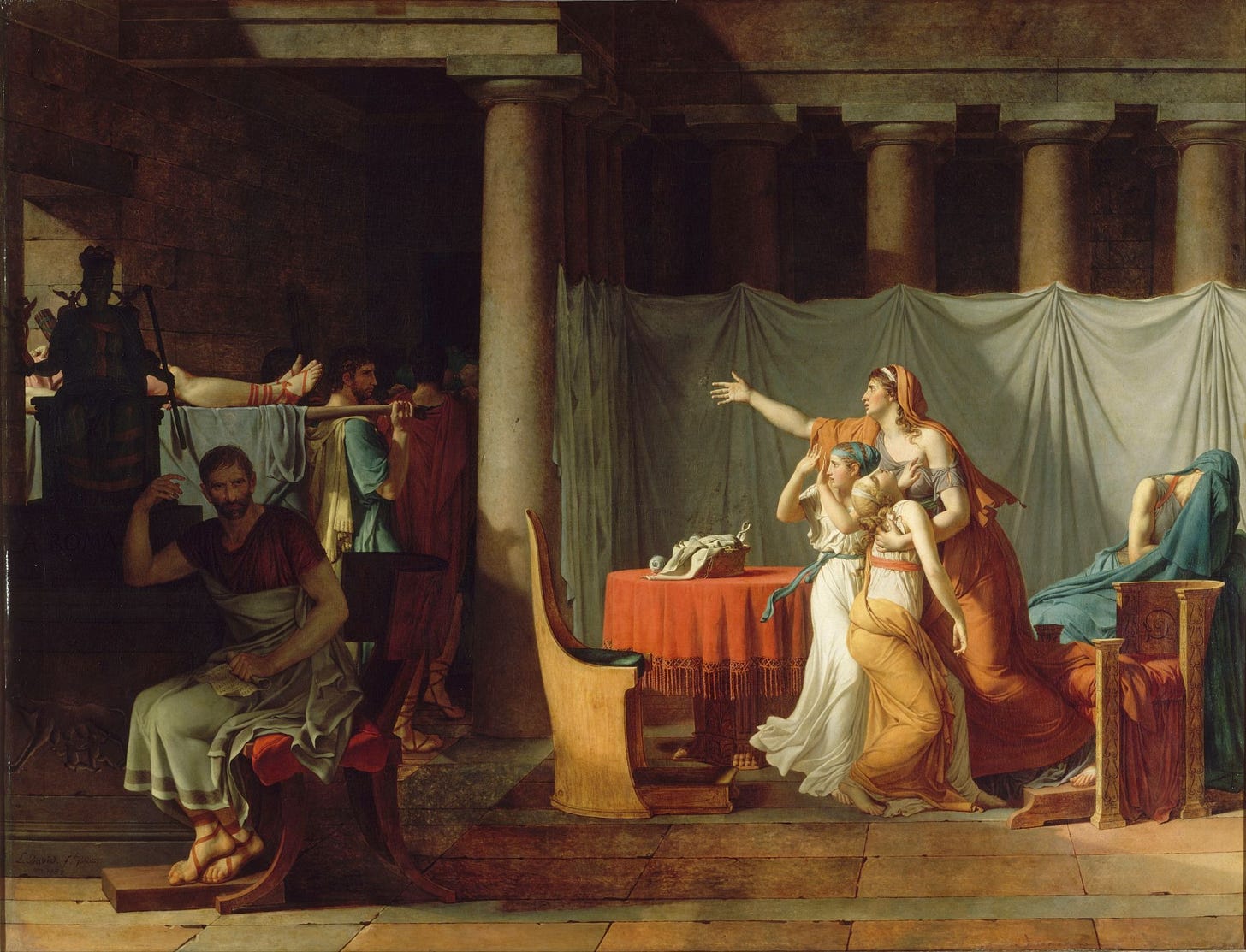
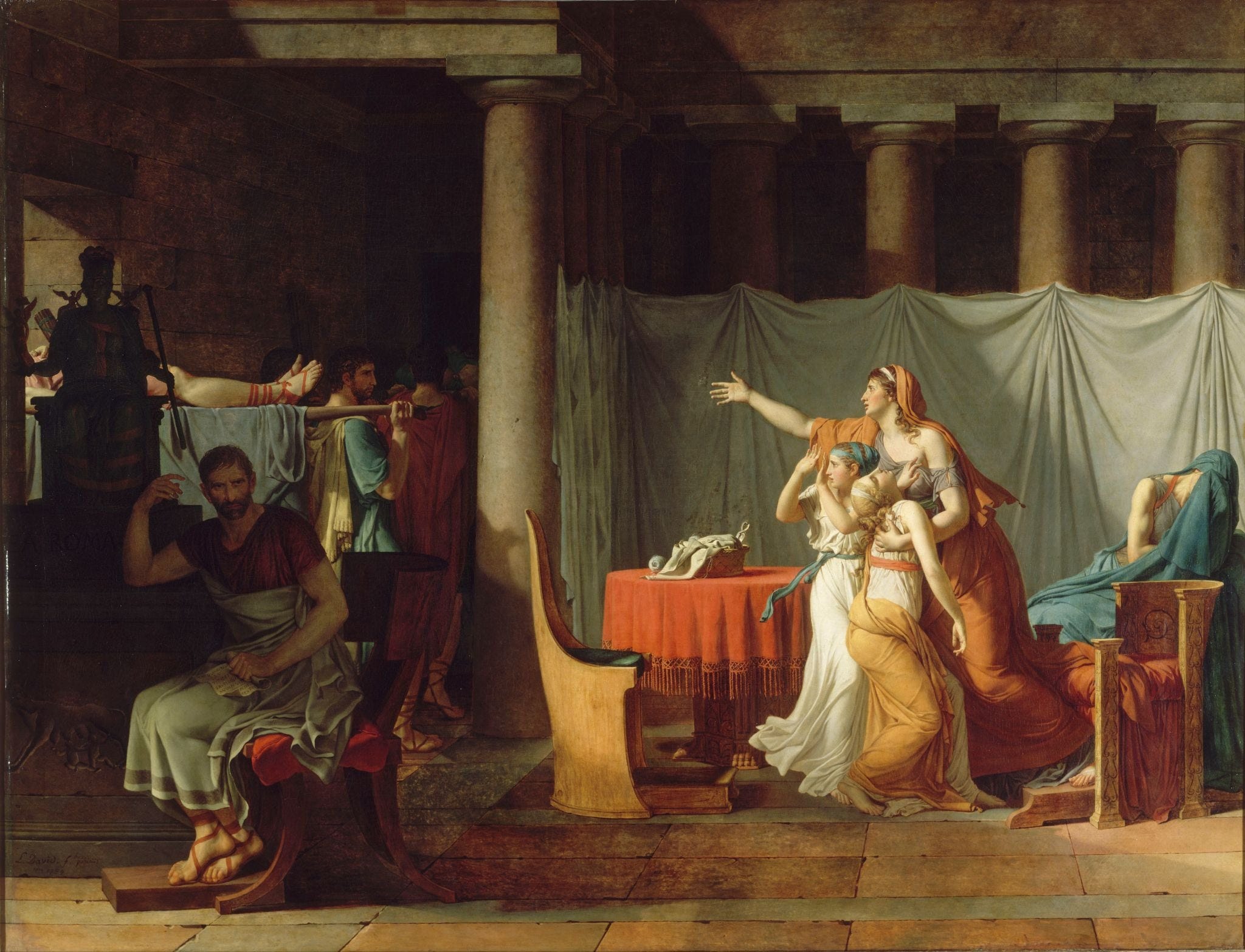
Jacques-Louis David: The Lictors Bring to Brutus the Bodies of His Sons Introducing “bipartisan decorating”
Washington is divided, and so is America. The smart designers will take a little of that vibe into every project: make the opposites get along.
See what a Damien Hirst looks like hanging above a sofa covered in 1920s fabric. Put a Chesterfield next to a modernist lamp. Slide a lacquered mid-century table over a Persian rug. The best rooms I’ve ever seen are a juxtaposition of different design languages.
I’m calling this “bipartisan decorating.” You take the strongest thing from each style and throw them together. Someone will put this phrase on a Pinterest board in the coming months. I’d like the record to show that you heard it here first.
Wallpaper will solve everything
Repeat (sorry for the dad pun) after me: Congress doesn’t set the mortgage rate. Sure, the Fed sets short-term rates, and bond investors help determine the price of a 30-year loan. Either way, the Mortgage Bankers Association expects mortgage rates to stay above 7% through 2027. I don’t see any real pundits calling for much of a change in 2027, even if the stock market collapses due to the AI bubble.
That means plenty of owners remain locked into the cheap mortgage and can’t afford to move. The housing data already looks a bit soft: 43% of builders cut prices in October, and remodeling spending was down in September.
Go back to the client who decided against moving and suggest that the powder room could use a refresh. Make the bedroom wonderful. Wallpaper the ceiling! Even people stuck inside a house need it to feel amazing.
If we aren’t going to get whole home projects, the next best thing is a renovation boom!
📊ECONOMY
The week in numbers
DOWN 18% — U.S. remodeling spending in September compared with a year earlier, according to NAHB’s analysis of Census construction data.
UP 4.9% — September sales at furniture and home-furnishings stores compared with a year earlier, in figures not adjusted for inflation. I’m not calling it a comeback.
1.6 MILLION SQUARE FEET — The size of Ashley’s new bonded warehouse in Ho Chi Minh City. You don’t fear tariffs when you build a warehouse the size of a small town.
UP 35% — Arhaus said on its earnings call that orders above $25,000 rose by more than a third in the quarter.
Furniture’s election rally meets an AI panic
Wednesday was lovely. Furniture Today’s tracker showed 23 of its 28 securities rising after the election, led by Wayfair at 10.66% and Arhaus at 9.04%. RH gained 8.12%; Bob’s Discount Furniture added 7.57%.
Then came Thursday. An AI-led selloff wiped out the S&P 500’s Wednesday gain and pushed the Nasdaq into correction territory. Turns out investors were anxious about inflated AI valuations and possible restrictions on data-center construction after the Democratic wins. Talk about an Election day hangover.
The K-shaped economy at the Mouse House
A dispatch from Mr. Weft in California
Greetings from the happiest place on earth. No it’s not the Venice Biennale, but Disneyland, California.
I have a daughter with special needs, and Disneyland is fantastic about accommodating her and anyone else who needs extra attention. On top of that, she has celiac disease, which means she can’t eat gluten, and the restaurants take that extremely seriously. When we ordered food, the chef and three other members of staff came out to talk to us. (At first I thought they were a barbershop quartet!) Lunch was a white-glove experience, and my daughter’s mac and cheese was delicious. Afterwards I went in person to Disney’s Town Hall to leave a positive review for the staff, who had turned a difficult situation into a magical moment.
However, I did have my Mr. Thread hat on, and I noticed a few things that you’ll probably find interesting. Firstly, the park was quiet. Very quiet. Now, we went on November 3. Halloween had ended and Disney’s holiday season had not yet begun, so that may explain the empty rides. Specifically, I also noticed very few international travelers. Normally I’m used to seeing groups of Chinese and Japanese tourists. I don’t think I saw any this time.
I don’t know whether the current political climate in America is putting off foreign visitors. I wondered whether some recent economic shock in China had stopped people traveling. I checked, and the latest California report shows air arrivals from China and Japan are actually increasing. But I’m telling you what I saw with my own eyes—if our Asian friends are coming, they’re not here to see Cinderella.
Later I was standing in line for a gluten-free Dole Whip. A woman with a child was led straight to the front without waiting. She was accompanied by a man who looked like a bodyguard, but he was actually a Disney member of staff. The woman was wearing a special pair of leather Mickey ears. On the back it said “VIP tour.”
Disneyland’s VIP Tour costs between $500 and $800 an hour, with a seven-hour minimum, and you get a private guide who takes you around the park and helps you skip lines. But now there’s another level called the Land of Dreams Tour. I looked into it. The tour lasts 12 hours and is limited to six guests. You get two guides, park admission, meals, and special backstage experiences. According to one TikToker, it costs $18,000. Jiminy Cricket!
That morning I’d shared a shuttle from the economy parking lot with a group of budget-conscious ladies pushing a stroller—not with a baby (or even a dog), but with a cooler full of lunch and drinks. They boasted that they never spend a red cent inside the park. Later, as I ate my pineapple Dole Whip, I thought: even the happiest place on earth now comes in first class and economy. Maybe Disneyland is just a microcosm for the entire United States.
🏭 INDUSTRY
Big news at 1stDibs
David Rosenblatt is stepping down after 15 years in the hot seat as 1stDibs CEO. Product and marketing chief Bradford Shellhammer will take over January 1; Rosenblatt becomes executive chair. I think it’s a good change. Things have been stagnant too long.
The best news is 1stDibs has brought back dealers’ names. Restoring seller branding lifted checkout completion by 8% in an early app test. Hiding vendors to keep purchases inside the platform was a terrible decision. Trust your dealers and customers. You might lose an occasional sale, but you give everybody else more reason to buy.
There’s plenty of progress for 1stDibs to crow about in its latest report: AI assists with over 85% of new code, and recommendation clicks rose more than 40% in Q3. I’m still more excited about the names, to be honest.
Meanwhile, Arhaus’s comparable written sales rose 13.9%. Around 70% of its upholstery sourcing is domestic, much of it from its own North Carolina factory, not far from where I live. If things get too bad, I can always get a job sanding down bed frames.
🧵LOOSE THREADS
The U.S. Pavilion is $1 million short of dismantling Alma Allen’s show and bringing the sculptures home from Venice. Can we all throw in $100?
The 2026 words of the year have arrived. Collins chose “mogging”; Dictionary.com chose “maxxing.” One means outshining; the other, optimizing. Keep up with the kids.
Aya Moug makes a case for furniture made from papyrus. Egypt had the material all along.
Come for the clothes, leave with the flowers. Six Rings brings fashion, art and books into an Athens house.
🎲 PLAYTIME
Each week, one of our three design-industry claims will be a lie.
SPOT THE LIE
Which one of these facts about Tyrian purple is false?
Extracted from sea snail secretions
Once cost more than its weight in gold
Made by boiling crushed kermes bugs
No Googling. Forensic detectives will audit every winner’s search history. We’ll reveal the lie next week.
Every correct answer earns one entry in the season-end draw for a life-changing prize.
🎨 THIS WEEK’S ART
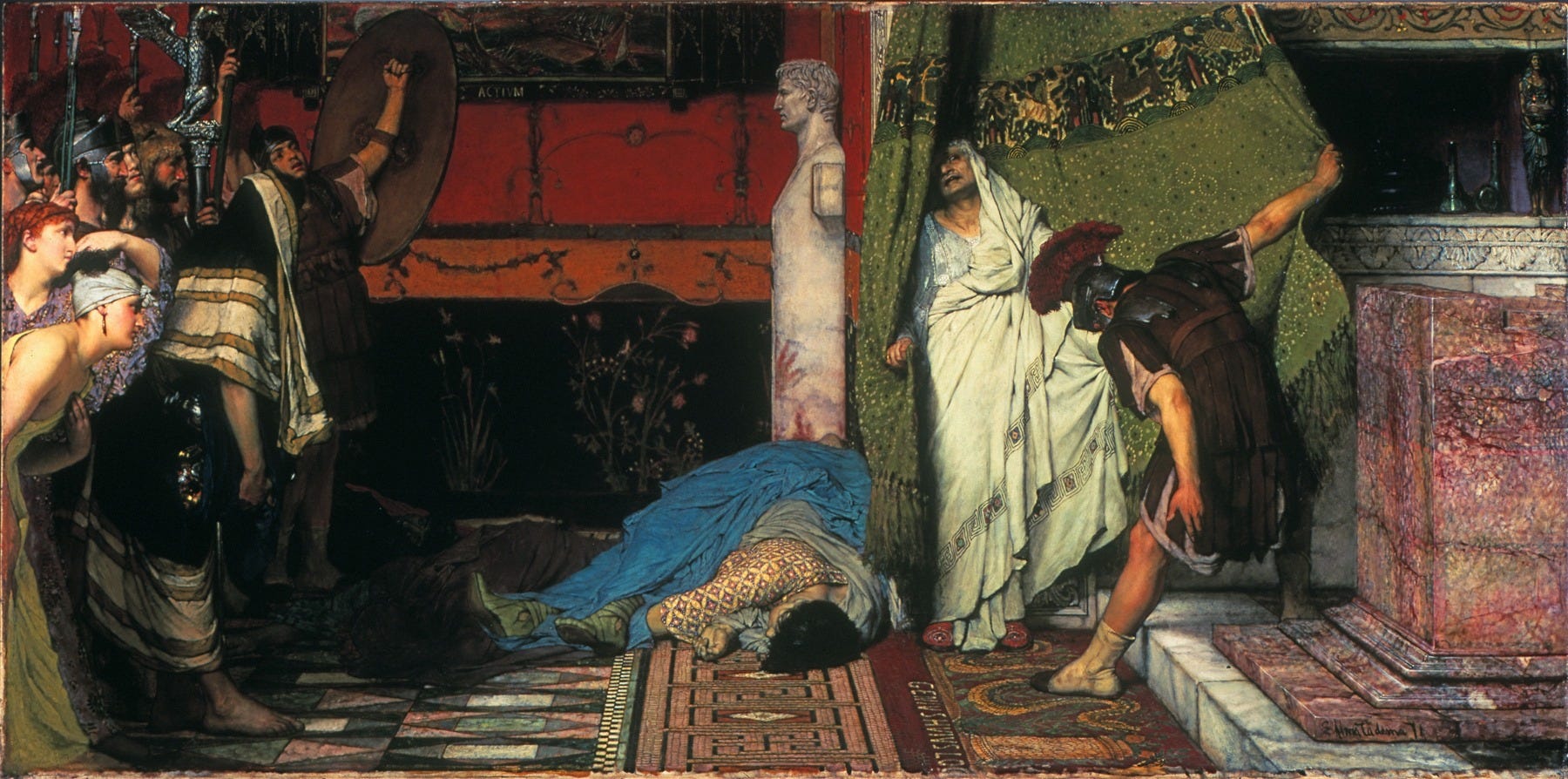
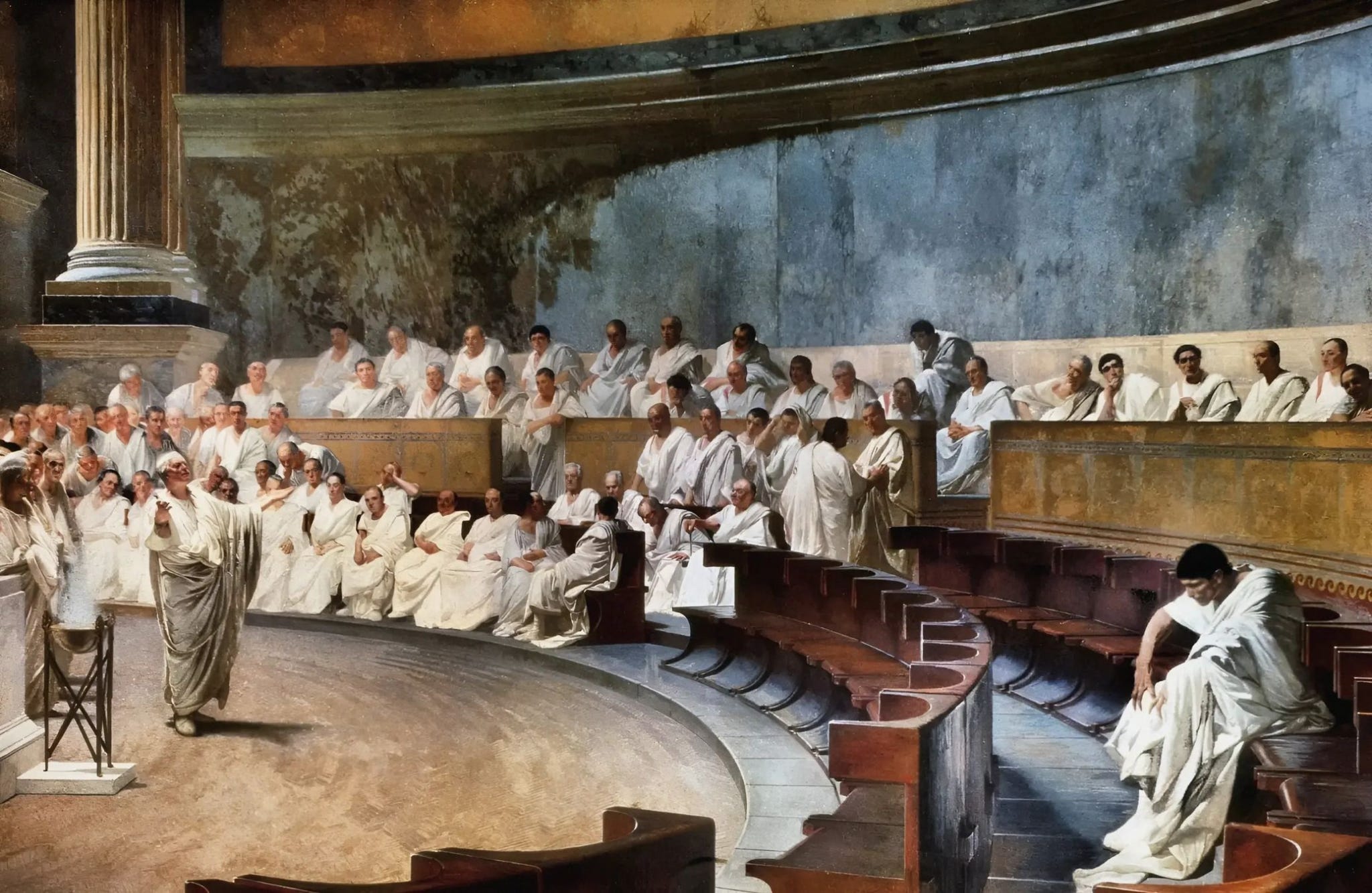
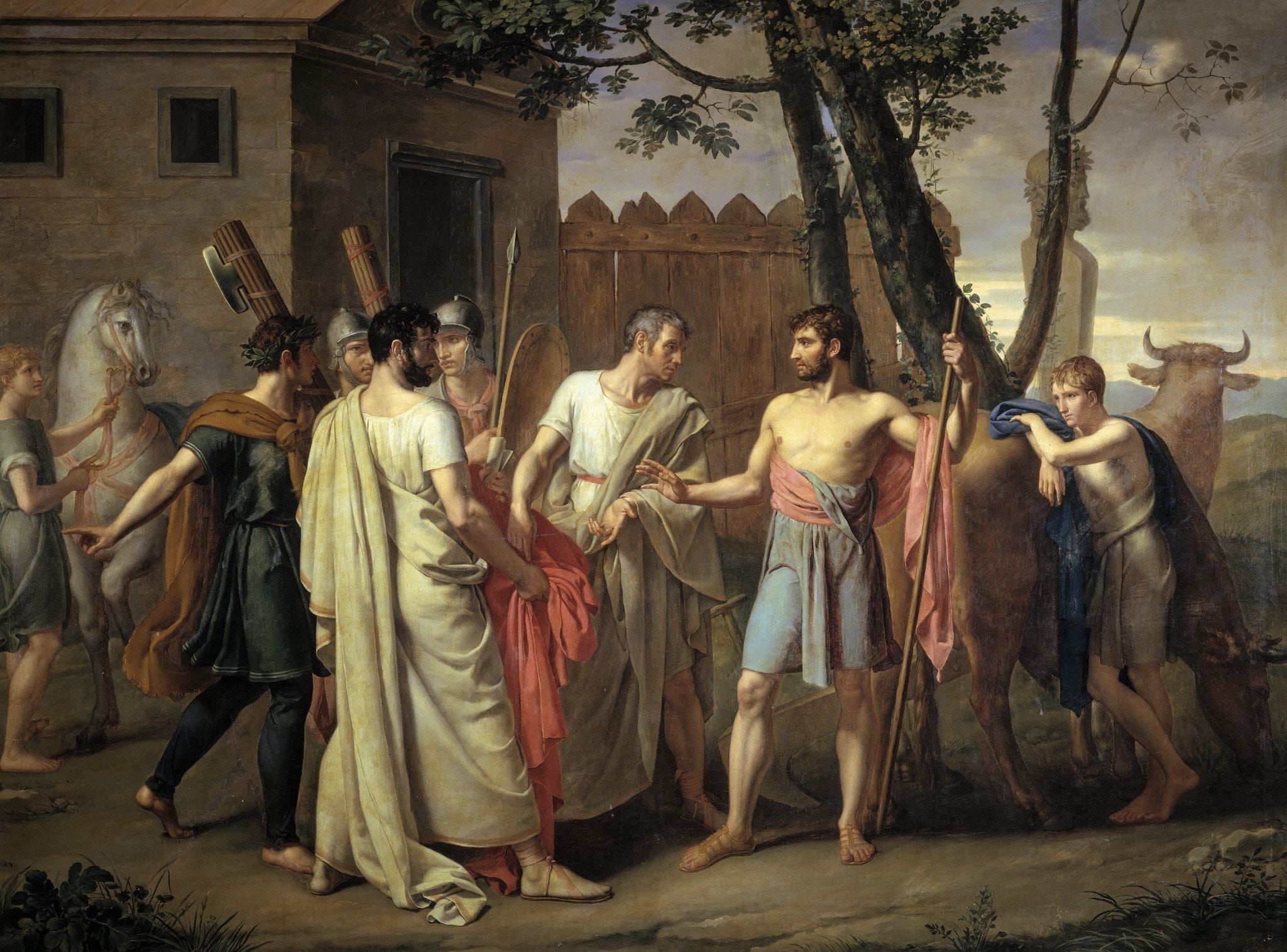
This week’s art is full of Roman politics. There are arguing senators, emperors addressing their troops, and even a stabbing. Rome once looked too big to fail, and then it did. Just goes to show that it could happen to America too. A cheerful little thought for election week.
Enjoying Mr. Thread?
How can we make this better? We read every message and genuinely want to know what you think.