

WICKED WHISPERS
Which iconic New York design address is having a very bad month?
A whisper making the rounds among the city’s real-estate crowd says the building may now be under “special management,” with the Starwood hotel group poised to take over. Rents that once flirted with $90 a square foot are reportedly being negotiated in the $60s. According to the same rumor, the longtime operator is still managing the property—but perhaps not for long. We hear a change could come within weeks.
Hello readers…
I’m back, I’m jet-lagged, and I’m feeling cranky. It’s been a great couple of weeks in Europe and now I’m ready to get back to other business. Good timing, because I just saw a Business of Home story titled “Why the design industry needs anonymous critics.”
I started reading what I thought was a beautiful love letter to Mr. Thread, the industry’s fastest-growing newsletter, written by yours truly, an opinionated, anonymous industry veteran.
The piece rattled on about the value of insiders saying what the polite design world won’t. It says anonymous writers can be useful because they don’t have to worry about offending clients, vendors or peers, or getting cut from a party list. All true. But instead of Mr. Thread, it mentions “The Grumpy Decorator,” a Substack that’s been going for…checks notes…only three weeks. It has published three posts to about a dozen followers.
I mean, come on.
No disrespect (because we feature an excellent Grumpy Decorator piece in this very newsletter) but Grumps will probably have given up publishing by Thanksgiving. Mr. Thread is a word-of-mouth sensation that has been growing for almost a year, and is read and respected by thousands of leaders of this industry. The email address of the CEO of a publicly traded company landed on our subscriber list last week, which blew our minds (guess who?). All told, we have published close to 200,000 words of deeply researched, sometimes cynical, but always passionate content.
I’m actually flattered that Business of Home considers us such a threat that they ignore Mr. T, and instead choose to cover “non-stories.” But I didn’t start this journal to compete with BoH. Frankly, who in their right mind would want to run that business model in this dawning age of the independent publisher? Instead, we’ve been effusive about their team, and probably send them more traffic than the dozens of daily emails they bombard you with.
But I get it. They’re going through their own version of enshittification having been acquired this year by another media powerhouse, Ziff Davis. Go figure… they’re slowly starting to lose their soul.
Alas, we have much bigger things to worry about here. I tell every entrepreneur I mentor: be the best you can be, focus on putting out the best you can put out, and the competition will stand no chance. That said, a little fire in the belly from “the competition” certainly helps push us on to greatness.
This week we have a massive issue with tons of opportunities to help grow your business. So keep reading to find out why show houses are a waste of money, why hotels are brilliant lead generation, and what artwork Johnny Depp is exhibiting this week.
This one’s another banger.
See you next week!
Mr. Thread
🎲 P.S. Don’t just read—play. Scroll down to meet last week’s winner and guess the price of this week’s flying saucer
💰OPPORTUNITIES
Could a show house ruin your business?
The Kips Bay Decorator Show House has opened in Greenwich Village with 22 designers. Kips Bay is the godfather of show houses. Everybody wants in. It’s like winning an Academy Award, except the award comes with an invoice that’ll give you a stomach ulcer.
I’ve been involved with these things for decades. If a great designer calls one of my companies and asks for fabric, I nearly always say yes. Twenty years ago, the late, great Thomas Britt wanted roughly 150 yards of a red-and-gold fabric for a Kips Bay entrance. We gave it to him. The return was the relationship. I helped a great designer make a great room, and I’ve watched relationships like that turn into real business.
It’s a harder game for the designer. Kips Bay gives you the room, sure. Brands may give you free products. But nobody gives you the upholsterer, electrician, trucks, flowers, or insurance. Designers tell me they often spend at least $50,000 out of pocket, sometimes with four or five days to install it.
The math is super scary.
Say you spend $50,000 on a show house. If your 25% to 30% markup, plus the design fees, leaves you keeping about a quarter of every dollar billed, you need $200,000 in new work just to get your money back.
Then pay the studio and the staff, and count the weeks everybody spent making the room happen. If you’re really keeping 15 cents on the dollar, break-even jumps to about $333,000.
Holy shit. You’d better know exactly what you want that room to do.
The math gets worse quickly on a large residential job. A single full-home renovation with a $500,000 furnishings budget could produce $100,000 to $125,000 in gross profit. That one project would repay the $50,000 show-house spend twice over, with another $50,000 to $75,000 left after the initial outlay.
So before you commit to a show house, you must ask yourself why you’re doing it. Defining the objective clearly is the key to success.
An established designer’s objective may be to flex their creative muscles, raise their profile, and make a room everybody talks about. Fine. They can afford it.
But a young designer who needs work has an entirely different objective. They must put their ego aside and make a room a potential client can imagine living in. If it’s an art piece to impress designers, expect a lot of applause, but no clients. You might as well light $50,000 in cash on fire.
“[A]n invitation to design a room here is a defining moment in an interior designer’s career.”
— Andrew Torrey, via Galerie Magazine
When your best client says no photographs
House Beautiful reports that a $40,000 kitchen project collapsed after a designer told the client to allow photography or pay a $300 exclusion fee. The client walked. This has kicked off a massive argument about privacy and portfolios.
This is one of the biggest problems interior designers bring to me. You finally get the really, really, really amazing project from a wealthy client. It may be the best work you have ever done. Then the client says: “This is my home. I don’t want it on your website. I don’t want it on your Instagram.”
I can’t tell you how many designers have cried to me about this. Literal tears. How do you get more work when you can’t show the best work you’ve ever done?
My advice is: Deal with it before the marble arrives. Put photography in the first contract. Decide early which rooms are fair game, whether the owner stays anonymous, and who approves the pictures. Some clients may allow a private portfolio shown only in person.
What about renderings? Could you recreate the room and change enough that the house can’t be identified? Maybe. Ask first and label it. The same goes for iPhone pictures. Would the client like you showing snaps of their private home?
These projects are your most important assets and the key to growing your business. You must give them the attention they require.
“There’s a very real opportunity cost when a project can’t be documented.”
— Ali Burgoon Nolan, via House Beautiful
Your next showroom might have 40 rooms and a pool
I spent four days in Crete with a visionary hotel owner. The trip was incredible, and it will produce our most important order of the year (I told you I’m a workaholic, I’m always closing, even when I’m in paradise). It also made something very obvious to me: luxury hotels are a very, very hot place for design brands to be.
Modern Retail reports that brands are already moving into hospitality. At a Lela Rose pop-up in the Montage Big Sky, 82% of customers were new to the brand. Public Goods told the publication that hospitality makes up roughly 75% of its B2B operation.
Getting your product into the right hotel is a brilliant lead-generation play. Guests live with it, touch it and ask what it is. You need them to remember it when they get home.
I do have one warning. In Venice I saw staff uniforms made from a famous company’s heavy jacquard. The workers looked fantastic. It was also 95 degrees and the poor people were suffering like crazy. The hotel may be a showroom, but the concierge is still a person.
“The hotels almost became our content studio.”
— Lizz Niemeyer, Quilt, via Modern Retail
🏭 INDUSTRY
Schumacher buys an archive I can’t pronounce
F. Schumacher & Co. has acquired most of the archive of Vanoutryve, a French-Belgian mill founded in 1860. Van Uchrey? Van-ou-tryve? However you say it, Schumacher now has its hands on more than 75,000 samples and 1,500 swatch books.
It turns out that Frederic Schumacher worked as a Vanoutryve agent before founding his own company in New York. I can see the good in this. Schumacher bought Tillett too. I know the owners; that company was close to going extinct. Schumacher saved it. So good on them.
But the real fear with consolidation is this: will enshittification eventually rear its ugly head? You have to remember these aren’t philanthropic organizations. They are massive businesses with revenue expectations and profit-and-loss statements.
Can they keep the beauty and the oddness of all these little companies alive or sacrifice themselves on the altar of shareholder value? I am certainly hoping for the former, but we’ll see.
“The collection ranges from classic Persian motifs and traditional European florals to early-20th-century French designs.”
— Home Accents Today
Lindsey Adelman refuses the usual ending
Lindsey Adelman has spent 20 years building a lighting studio so successful its glass globes are some of the most copied interior design products after the Eames lounge chair. Her anniversary profile in the Times says the studio is still completely hers. She has no shareholders and says she won’t sell the business carrying her name. Go, girl!
This is the antithesis of consolidation. She moved production to North Carolina and reduced her staff from 35 to 20, so independence hasn’t made every decision painless. But it has let her invest in workshops for employees and celebrate 20 years by deciding to work less. Magnificent.
What do they say? Imitation is the sincerest form of flattery. I tell my own team to relax when it happens. I know it’s infuriating, but nobody copies the thing that nobody wants.
“The way I wanted to celebrate 20 years was to chill out for a minute and work less.”
— Lindsey Adelman, via the New York Times
The Pacific Design Center is becoming an office building
The Red Building at West Hollywood’s Pacific Design Center (PDC) has signed nearly 96,000 square feet of leases across seven deals, according to Commercial Observer. Hourglass Cosmetics is going in. Pattern Beauty. Princess Polly, whatever the hell that is. AllSaints is staying put. These are offices and headquarters, not new showrooms.
The dream was always that the PDC would be a massive design center. A good landlord could fill all three buildings and make it a design landmark for the world, never mind Los Angeles.
But this isn’t a good landlord; it’s Charles Cohen, who continues to lord over the collapse of the D&D. Maybe Charles could learn a thing or two from Jim Druckman, who keeps the New York Design Center alive as an industry and a community, without selling out to Polly Pocket or whoever they are.
“We’re not just a real estate project… We’re an industry with a soul.”
— Jim Druckman, via Business of Home
The Peloton of rugs is coming after your market share
Nothing quite zaps your inspiration like an Ernesta showroom. The custom-rug company was founded by three Peloton alumni and has just opened its 12th location, in Santa Monica. It raised $20 million in Series B funding earlier this year and wants 30 locations by the end of 2027.
The showrooms themselves are a real snoozefest. I don’t understand the sterile, soulless vibe they have created. This isn’t an Apple Store. Maybe that’s beside the point. They do understand consumer behavior. They make rugs to your exact size and show you a 3-D rendering.
If you’re in the carpet business, pay attention. These guys are going to eat your lunch. Of course, a bunch of tech bros building a heavily funded consumer brand made me think of Allbirds. The public company sold the shoe business and pivoted, for reasons I may never understand, into AI-computer infrastructure. So don’t be surprised if your favorite rug company turns into an AI company next month.
📊ECONOMY
Holy shit, what is happening to the 10-year bond?
The bond market is putting the housing market in a chokehold. Wednesday was a bloodbath for bonds. Investors sold after another round of inflation worries, pushing the 10-year Treasury yield (the number mortgage rates tend to follow) to 5.10%, its highest since 2007, Wolf Street reported.
By last week, the average 30-year fixed mortgage had already climbed to 7.12%, its highest in more than two years, according to Mortgage Bankers Association data reported by Reuters. Anyone waiting for cheaper money is shit out of luck.
Mortgage rates are horrible. Builders feel it, buyers feel it, and eventually our industry feels it because, as I seem to say every week, people who don’t buy houses don’t furnish them. I’m not calling it a collapse quite yet, but I’m going to keep my beady eye on permits and completions, and what I see going down inside my own businesses. That will tell you more than some “expert” yelling on CNBC.
The U.S. Census Bureau just reported that August housing starts ran at a seasonally adjusted annual rate of 1.275 million, down 2.6% from July. Permits fell 2.7%, and completions fell 11.9%. Single-family starts went the other way, up 7.6%, although the bureau says the margin of error around that monthly number is wide.
“Privately-owned housing starts in August were at a seasonally adjusted annual rate of 1,275,000.”
— The U.S. Census Bureau
MillerKnoll got a refund, not a cure
MillerKnoll, the massive global furniture and design company, saw first-quarter sales fall 3.4% to $923.4 million. Orders rose 3.2%, which sounds better, until you dig deeper: North American contract sales fell 5.3%, international contract orders rose 17.3%, and global retail orders rose 4.3%.
My delicate boardroom assessment was that they’re getting their asses kicked. That’s a little unfair to the good parts of the quarter, but I tend to keep a close watch on the North American business I watch.
Tariff refunds also made the margin look healthier. Management admits the refunds added 110 basis points to operating margin. I wouldn’t say no to that refund, but I wouldn’t mistake it for sales.
“Orders of $913.9 million, up 3.2% as reported and up 3.5% organically.”
— MillerKnoll, Inc. Reports First Quarter Fiscal 2027 Results
I hate to say it, but RH chose the right street
RH has opened its first standalone RH Estates gallery in Greenwich, a 20,000-square-foot, two-story bet on traditional design. It sits near two existing RH properties and includes Cucina Angelina, the company’s first Italian restaurant in North America. Their hope is that you enjoy their spaghetti bolognese so much that you accidentally drop $20k on a cloud sofa on the way out.
Greenwich is the perfect market. People forget about Fairfield County because New York City sits next door, but this place is full of old country houses, old wealth, banking money, stock money and some of the most beautiful estates in America. It’s the Beverly Hills of the East Coast. RH now owns what feels like an entire corner of it.
Will the design community embrace Estates? I don’t know. I think the customers absolutely will. Using restaurants for lead generation is a smart play, and for once I salute you, Gary Friedman.
📈TRENDS
The luxury of getting lost
Everyone is talking about AI shopping, AI shopping, AI shopping. Make sure the machines can find your product. Make sure it shows up on ChatGPT.
Then go to the Marché aux Puces de Saint-Ouen (aka the Paris Flea Market). Monocle reports that five million people visit its seven hectares every year. Furniture, clothes, silver, paintings. And the place is completely AI-proof.
That creates romance. As the Monocle writer says, you go looking for a table and leave with 16 silver dachshund knife rests that make absolutely no sense in your apartment. An algorithm didn’t tell you to find them. You found them, and now you will bore everybody at dinner with the story.
Jim Druckman says designers come to 200 Lex not simply because they have to source something, but because they want to shop and participate—part of his strategy to make the New York Design Center a destination rather than just a building full of showrooms, he told Business of Home. I’m opening a store in Venice next year for the same reason.
People want to get out from behind screens. Put them in front of a salesperson. Let them touch the product and discover something away from the computer. I am completely sold on that.
“The world’s largest flea market is a maze of human history that answers to no algorithm.”
— Susanna Schrobsdorff in Monocle
Everybody is a shelter magazine now
A recently launched Substack called Homebody has published a list of 10 favorite interior-design publications. I had never heard of half of them. House & Garden, fine. World of Interiors, of course. Then a Swedish property agency, and an Australian site, and Never Too Small. Jeez, how many publications are there?
Some of the work is beautiful. I clicked through one site, Scura, and thought, what the fuck is going on here? The website is deliberately a mess. Thumbnails of the stories dance around and try to avoid your click. It’s different for the sake of being different. Yet… beautiful. And the quality of the photography and the writing is next level. Who even owns it? A company named “Flawk,” whose website is equally ambiguous.
The obvious opportunity is for designers to publish for themselves. Jake Arnold has launched a Substack, Jake’s Take, with projects, sourcing discoveries and material from his library. A famous designer showing people how to choose green paint can reach an enormous audience. Mr. Thread talks to a smaller group of business readers. We’re all happy on Substack, which says it has more than 5 million paid subscriptions. Enshittification is surely next.
Would I tell a designer with something useful to say to start a Substack? Yes. Do I open all the Substacks in my own inbox? Absolutely not.
🧵LOOSE THREADS
Johnny Depp is now a sculptor. His first piece is a two-meter white-bronze half-man, half-rabbit carrying a “sword of truth,” cast in Milan and shown in Istanbul.
LVMH is opening 71 workshops, hotels and boutiques across 13 countries for three days in October. I talked about this last week. Everyone wants to see how the sausage is made.
A Florida family has become famous for fifteen minutes after alleging in a lawsuit that it spent more than $6.7 million on 200 fake Warhols. Allegedly, some cost just $30 to make.
🎲 PLAYTIME
Trey cost how much?
Last week Mr. Needle asked you to price Trey, the largely complete, 66-million-year-old Triceratops that spent nearly three decades at the Wyoming Dinosaur Center before appearing at Joopiter.
It sold for about $5,500,000.
Hillary Ellner came closest with a guess of $8.2 million and takes this week’s entry toward the October 15 grand-prize drawing. Congrats, Hillary!
What did the UFO lamp sell for?

This week’s object is a 1975 prototype “UFO” lamp by Verner Panton. It is plastic, steel, and aluminum, hangs nearly five feet, and was manufactured by J. Lüber AG in Basel.
Here are some clues:
✅ Panton gave us the first single-form plastic cantilever chair.
✅ This lamp is a prototype, not a later retail example.
✅ Its presale estimate was $4,500 to $5,500.
What was the final sale price, including buyer’s premium? The person who guesses closest to its final price wins!
Reply to this email or click the button below to submit your guess.
Honor system, please—no using Google to look up the answer! (If you do cheat, we still get the engagement, but you’ll have to live with yourself!)
The Stakes
Whoever gets the closest guess each week wins an entry into our grand prize drawing! We’ll be holding the final drawing on October 15th—the more weeks you win, the higher your chances! Our winning threader gets:
A featured spotlight for you/your firm in an upcoming issue of Mr. Thread.
Another special mystery gift from yours truly, Mr. Needle.
Stay sharp,
Mr. Needle
🎨 THIS WEEK’S ART
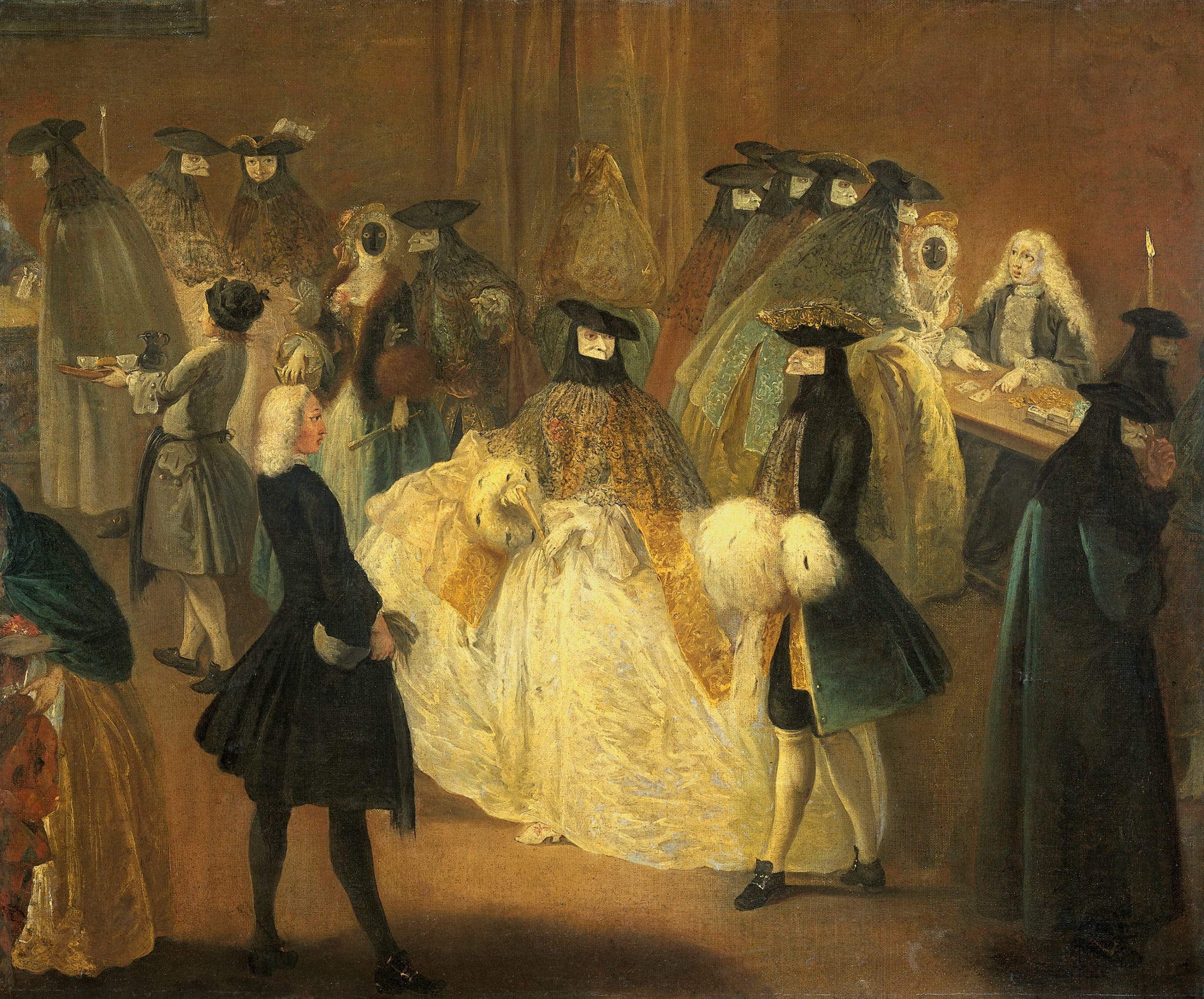
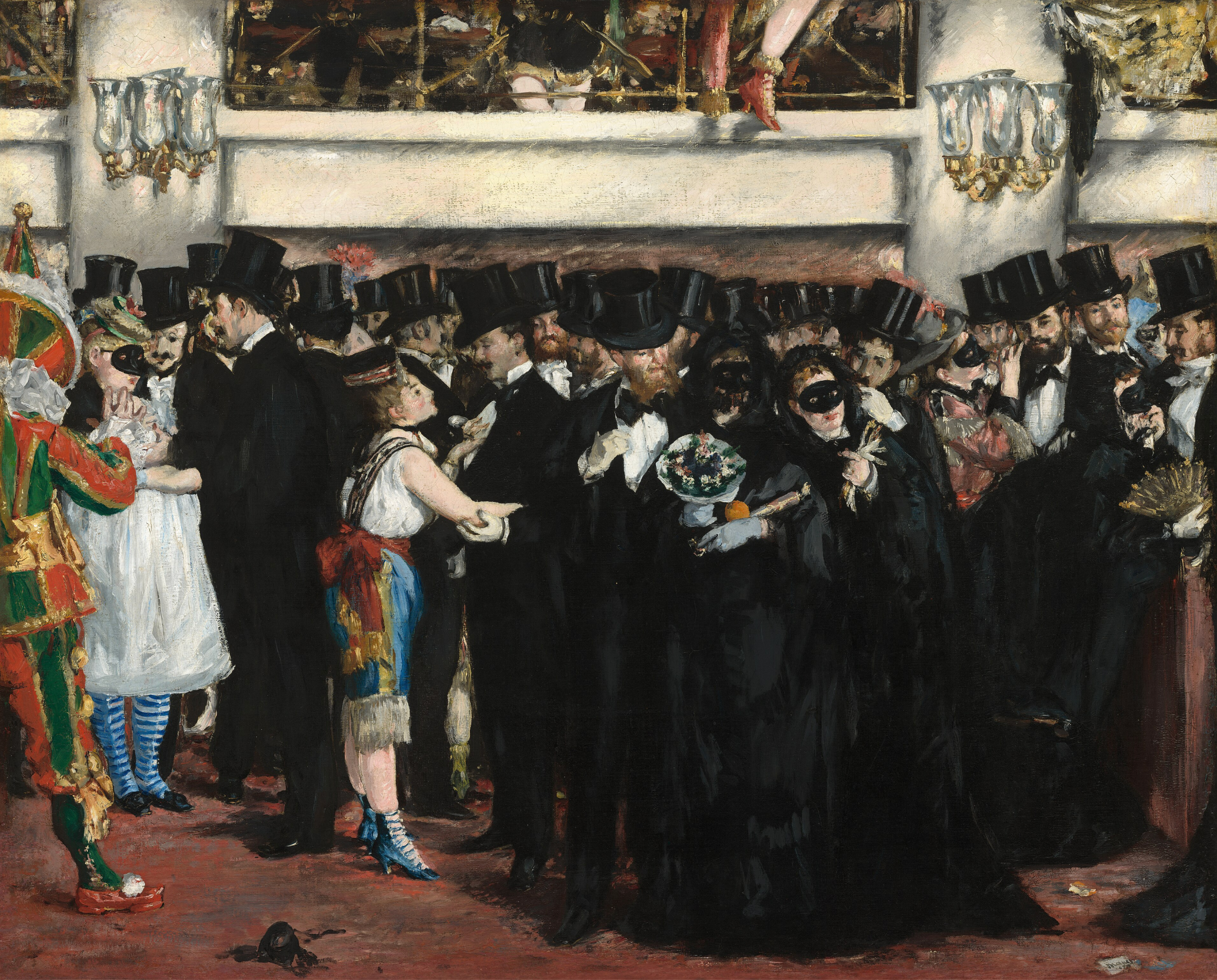
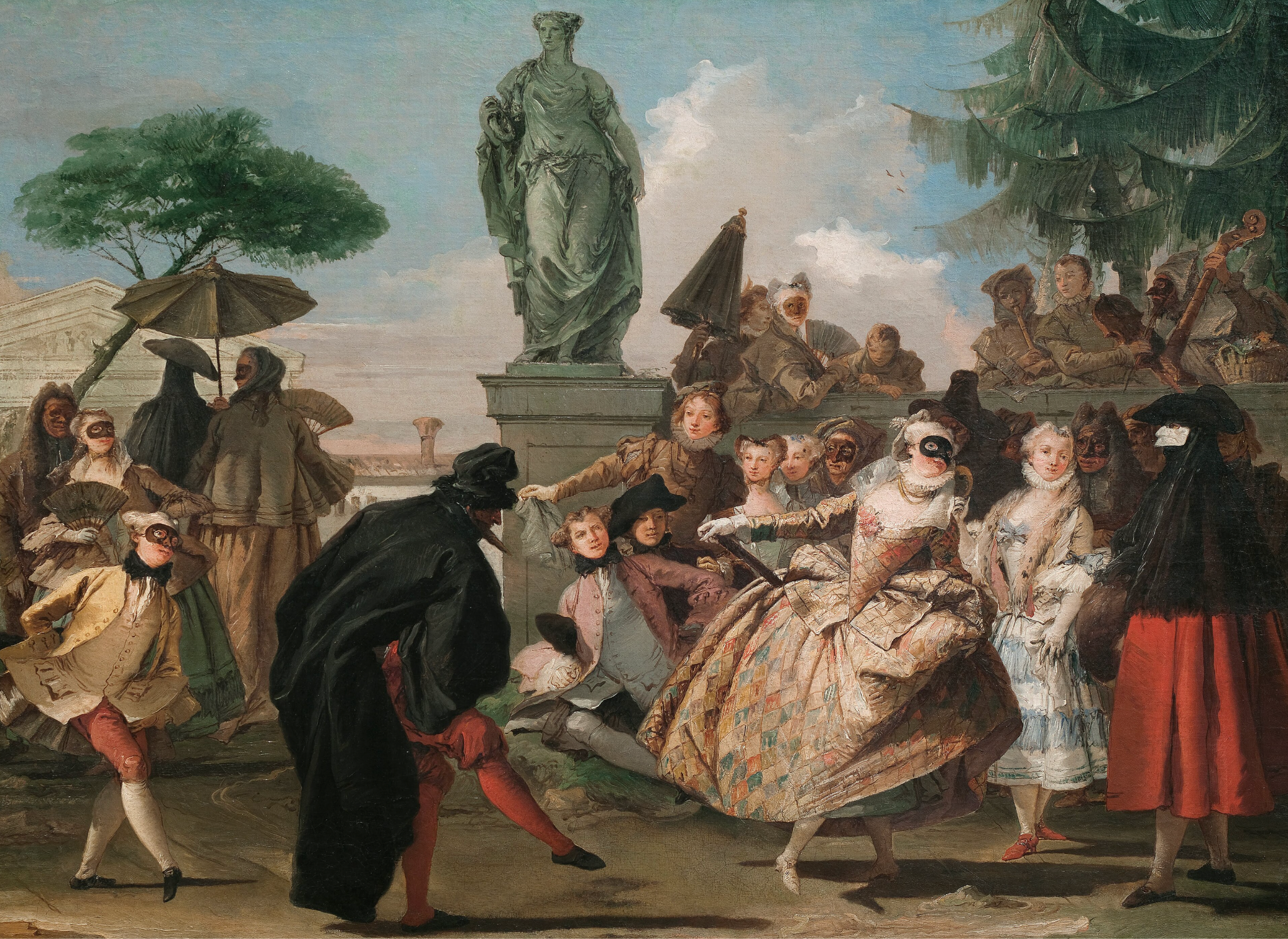
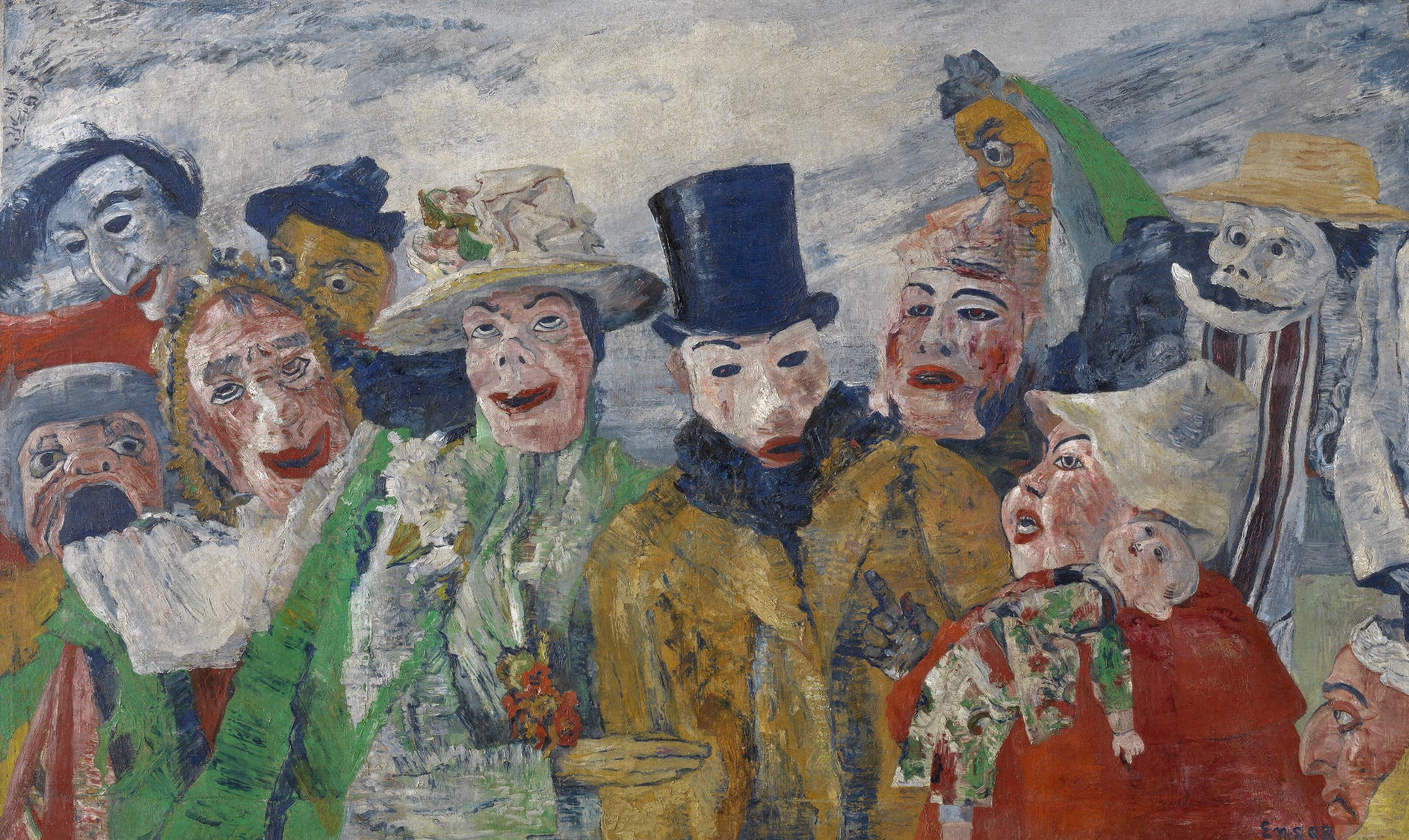
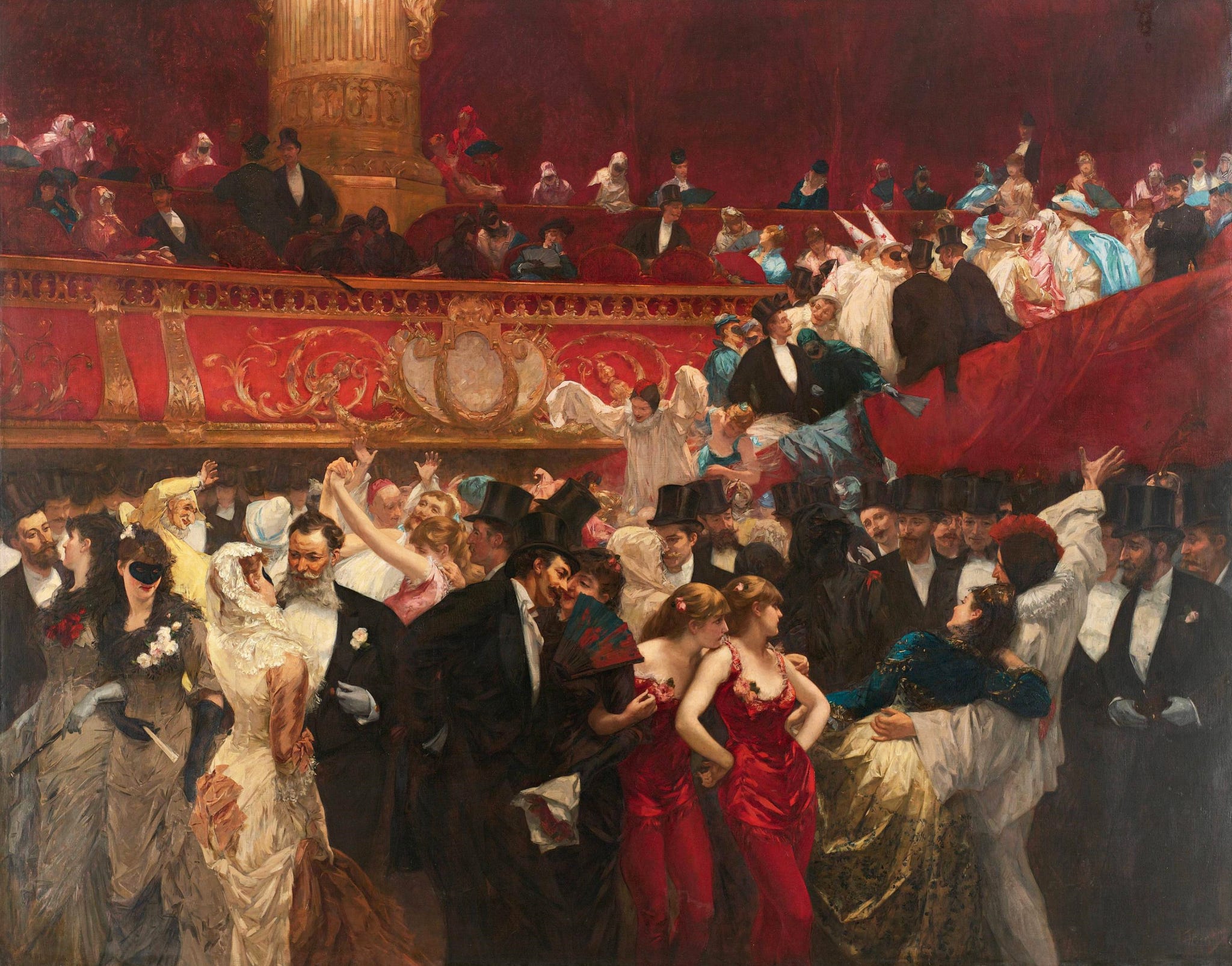
This week’s art is inspired by “masks.” We led with a traditional tabloid “blind item,” and the theme of the intro was anonymity. Longhi, Manet, Tiepolo, Ensor, and Hermans all painted masked revelers, so imagine this week that our whole industry is one glorious masked ball.
Enjoying Mr. Thread?
How can we make this better? We read every message and genuinely want to know what you think.
INTERIOR LIVES #00002 - Jeffry Weisman

Jeffry Weisman is a San Francisco interior designer whose work combines glamour, theatricality, and meticulous restraint. He began his career designing corporate interiors before establishing a product-design consultancy with Charles Pfister. In 2000, he joined forces with artist Andrew Fisher to create Fisher Weisman, a design practice known for highly individual homes and handcrafted furniture, lighting, and accessories. Here, Weisman reflects on chairs, loss, textiles, difficult clients and why a smaller office became his better version of success.
I was 16 when I started in interior design. I was hanging out with a girlfriend in high school whose mother was a decorator in Los Angeles. Her mother asked if I could carry a chair into the house. She looked at me with a cigarette in her hand and said, “I like the way you carry that chair. Do you want a job?”
I started out as her gopher. In a short time I was promoted to shopping and selecting fabrics and doing more than that. I knew rapidly that it was something I loved, and that I could imagine it being a real career for me.
