

Hello readers,
Not long ago, my CFO came to me very concerned about his job. A new AI finance tool had come along, and he assumed his days were numbered. Now, he met his wife at my company. It’s safe to say that the business is more than just a job for him. It’s his life. So instead of reassuring him, I challenged him to become the person who knew more about using AI than anyone else in the company. Make yourself indispensable, I said. That way you will never have to worry about your job.
He took me up on it. Now he produces the sort of financial reports I’d once have associated with a Fortune 500 company. And he’s the first person I go to with questions about AI. It’s been wonderful watching him grow to the point of being INDISPENSABLE.
I’ve taken the same approach with other people on my team. Rafael came in as a digital marketer, humble, hungry and ready to learn. I enrolled him in AI boot camps for “vibe marketing,” and now he builds dashboards that help us discover the latest trends in real time. This week we were looking at velvet sample queries, looking for a correlation in what people are searching for, what’s happening with our competitors, and the rest of the Internet. One can imagine how crucial this insight is to staying competitive. I’m not the only one getting serious about technology.
Arhaus has just appointed K.C. Moss as its first chief digital officer, with responsibility for e-commerce, the digital customer experience, and customer data. They don’t mention AI in the press release, but they don’t have to. I’m glad to see a furniture company investing in that expertise. Smaller businesses can start by helping the people they already employ get better at the tools. I keep telling my team to fill their skills toolbox. It is the only way to stay relevant and valuable in this wild twisting economy.
Personally, I’m overwhelmed by the choice of personal AI assistants. I’d love something that could tell me which Slack messages need an answer while I’m in the car. But choosing it, setting it up, knowing I can trust it? I haven’t got there yet. I’m known in my corner of the interior design industry as the technology guy, but even I’m hitting pause while everyone else is onboarding Meta’s Muse.
All I want from this AI revolution is more time for my people to visit a client, make a beautiful pattern, or actually touch some fabric. My plan is to use the time and money we save to hire more people for that creative work.
When I first started in this business, we were using typewriters and carbon paper. This week I watched a video of a robot being taught to thread a needle. Now I’m conflicted. Those are the skills I’ve spent my career defending, and we need to talk about what happens when machines can do them, too. It’s given me a little bit of an existential crisis, to be honest.
The Pope has something to say about this, too. Keep reading for his very welcome vote of confidence in artists, and a mahjong business opportunity I’d love one of you to grab. There’s money in getting people around a table.
See you next week!
Mr. Thread
🎲 P.S. Don’t just read—play. We’ve woven a new mystery into this issue in our PLAYTIME segment. Let’s see who has the “eye” to claim the win this time and secure a spot for our grand prize draw. Scroll to the bottom to join the fun.
🏭 INDUSTRY
How to launch a fabric collection
I found Kindly Woven founder Laura Adams on LinkedIn, and I’ve been sharing her writing with my team. Her guide to building an interiors fabric collection starts with a hero pattern, a coordinate and a small-scale pattern or plain. She writes that each has a different job, and that by building a complete collection, you can offer a complete solution for a room.
I read every word, and I’m hoping to speak with Laura for a Mr. Thread Q&A soon. Her writing delivers super niche expert thinking related to our tiny corner of the industry. Her words are so incredibly valuable that they directly impact how I’m thinking about my own business.
Laura gives really practical advice on strategically building collections that sell. For example, you’ve got somebody excited about a beautiful curtain fabric. Have you given them anything to put on the chair beside it? If they have to go to another business to finish the room, you’ve shot yourself in the foot. You must design collections with the whole room in view. If you’re in the fabric or wallpaper business and don’t read her work already, you should.
“That group isn’t the whole line. It’s one design story inside it. The hero gives the group its pull. The coordinate carries that story somewhere new. The third fabric gives the room a quieter option or a scale that works where the larger patterns won’t.”
— Laura Adams, via KindlyWoven.com
💰OPPORTUNITIES
The Pope blesses artists
Pope Leo XIV addressed artists and curators at the Vatican last Friday, arguing that human art has a fundamentally different character from images generated by machines. He described art’s ability to express human nature, and insisted that the Church needs artists’ work. This line stayed with me: “Algorithms lack the spark of the human.” (Fun fact: Chicago-born Leo is a lifelong fan of the Chicago White Sox.)
Whether you’re Catholic, a White Sox fan, or not, what a welcome thing to hear from someone with that platform. I spend so much time explaining why the people who make beautiful things matter. Here’s a world leader saying it with conviction.
Artists help us understand experiences we struggle to put into words. They bring their own lives to the work. We need more of that in the world, please. And more people able to earn a good living doing it. That’s the human renaissance I keep hoping for.
“Your art, when it resists homogenization, when it draws our gaze, when it compels us to pause before that which cannot be consumed, is a form of cultural and spiritual regeneration.” […] This is especially true in this age of artificial intelligence, in which we urgently need to distinguish human art from what is produced by machines. There is an ontological difference — even before an aesthetic one — between art and what a machine can generate through statistical calculation based on millions of images created by others. Algorithms lack the spark of the human, whereas “authentic culture and art preserve this spark”
— Pope Leo XIV
Who gets to decorate a $237 million house?
This year, from January through August, 17 American homes were listed for at least $100 million, according to Redfin data cited in a New York Times report. Cha-ching! In the same period last year, there were only nine. Among the eye-popping properties is the Key Biscayne house used as Frank Lopez’s residence in “Scarface,” asking $237 million. Yes, the glass elevator is still there.
Remember, these are not sale prices. But imagine the decorating brief when somebody buys one of these mega mansions. This is the very top of the K-shaped economy: people with glass elevators at one end while ordinary people are sweating about gas prices.
I filed this under Opportunities this week, then sat there trying to work out how I’d get through the door. You’d need to hire a private investigator to even find out which designer has the job. Once in a while my company gets a massive fabric order and we never learn which house it’s going into. What I’m saying is, the contracts for decorating these mega homes are closely guarded secrets.
So I’m asking the room. If you’ve won work at this level, how did the relationship begin? A designer, an architect, a house manager, a real estate broker? You can keep the client’s name to yourself. I’d love to hear how you got the call.
📊ECONOMY
The week in numbers
It’s been a softer quarter in my own business. Honestly, I don’t want to be a downer, but the macroeconomic figures as they relate to our industry are the worst I can remember since 2008. I’m not panicking, but I’m watching these numbers closely. If your day is mostly spent looking at samples rather than the stock market, here’s what’s happening in the economy, and how it affects our industry.
$117.16 — RH’s closing share price on October 6. I keep an eye on RH’s shares because the company is so tied to people’s willingness to spend on their homes. Wall Street analysts lowered their expectations for RH last month. RH says the costs of its international expansion are weighing on margins, though it expects that drag to ease next year.
5.27% — 10-year Treasury yield on October 6. That’s the annual return investors can earn by lending money to the US government for ten years. It influences mortgage rates, so when it rises, buying a home can get more expensive for your clients.
6% — September’s year-on-year fall in US luxury credit-card purchases. Reuters says that it was the third consecutive monthly decline. Even though they report the wealthiest customers are still splashing the cash, this is not a good bellwether for high-end design. The industry can’t grow by only serving the few.
$178.45 — Lowe’s intraday low on October 5. The DIY company’s shares have been feeling the pressure. Basically, homeowners have been putting off expensive renovations and home improvements for several years. That’s kept pressure on Lowe’s business.
TECH
The robot can thread a needle. Now what?
Someone sent me a link to a more obscure news site, NewAtlas.com, showing Suzhou embroidery master Fu Xianghong teaching a robotic hand to work with silk. I watched it separate strands, thread a needle and stitch. The robots are now performing skills that have been a human specialty for over 2,500 years. Watch it and try not to spill your drink. You can see why a textile guy might need a minute.
My first reaction was excitement, followed almost immediately by panic. It’s not going to be long before these clankers can reproduce something beautiful that’s becoming difficult or expensive to make. We could also end up with the knowledge sitting in a computer while no human can be bothered to learn how to do it with their own hands.
Imagine, for a moment, a robot that could “hand-knot” a rug indistinguishable from one knotted by a human artisan in Nepal. Same material, same technique, same construction, same beautiful result. Would you value it equally? I know how much the person behind an object matters to me. I also know that someone furnishing a home might love the chance to buy the beautiful thing at a price they can afford.
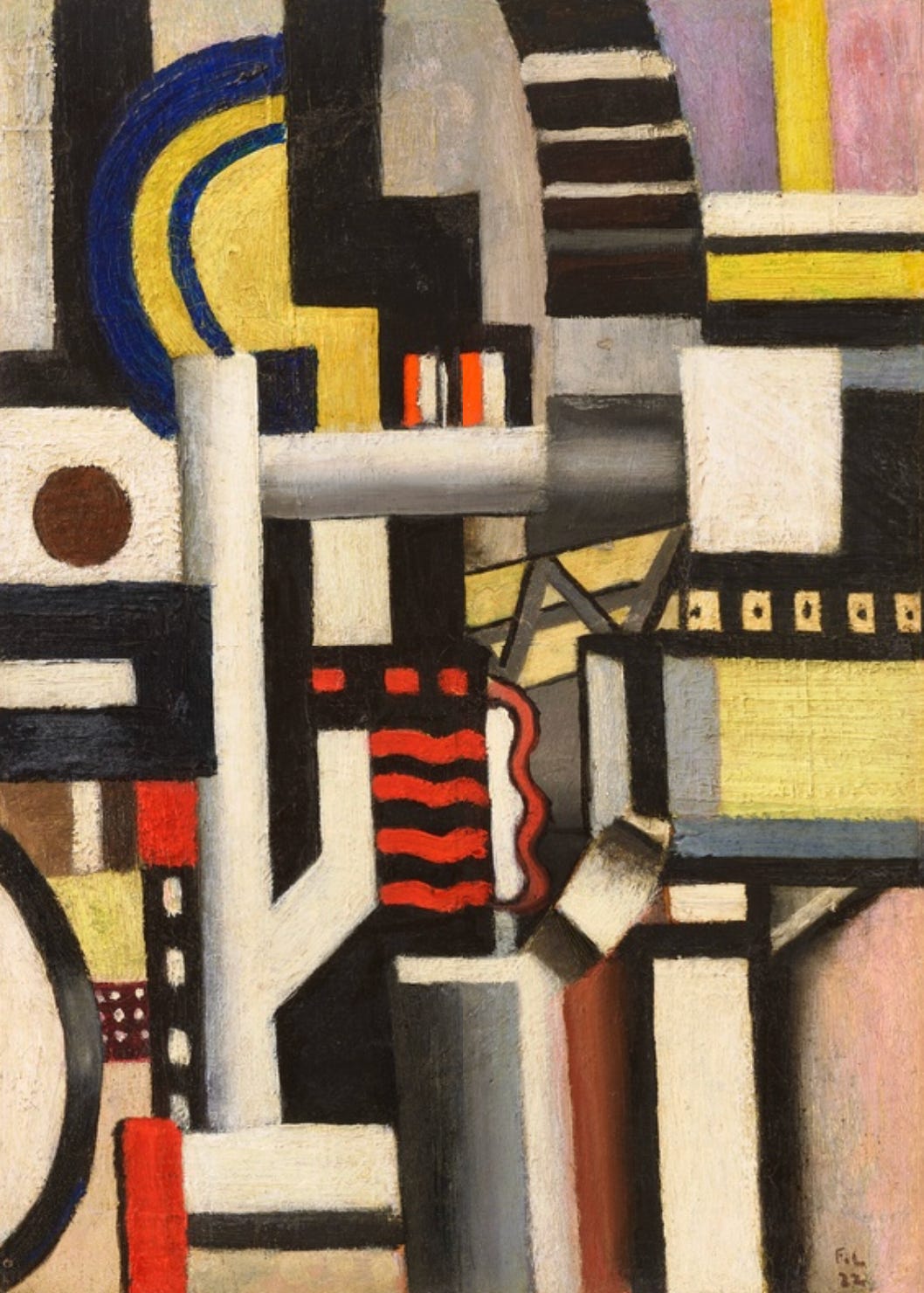
Then I found this video of Monumental Labs using robotic milling to carve stone. (They do have human stone carvers finish every one by hand.) The company says that finishing can take hours or months. Skilled people also choose the machines’ toolpaths. There’s a lot of human judgment left in that workshop. But I’m telling you, the whole robot creator thing is giving me a headache.
If robots can bring more beauty into the world, make more boring buildings look like Florence or Paris, I’m interested. But what about the craftspeople and their apprentices?
I haven’t settled this in my own head.
You gotta feel it, but be real
Neuroarchitecture studies how we experience the spaces around us. As you know, I’m a champion of this. Designer Ozge Fettahlioglu has written a very good warning about overselling the science for Australian Design Review. (Strewth, we look far and wide for design news!) In short, there’s a danger that architects and designers are making sweeping promises about what a particular curve or color will do to everybody’s brain.
I want this field to grow. Helping people live better is a fantastic opportunity for our industry, and we’ll damage it if we promise more than the research supports.
One thing Fettahlioglu recommended: Go back after the photographer has left, while the room is actually in use. Can the guests sleep? Can people hear one another when the restaurant’s full? You will see with your own eyes if the room is making a difference to people.
“But our enthusiasm has started to outrun the evidence. Somewhere along the way, an interesting finding becomes a design principle, then a universal rule, then a sentence in a client presentation beginning with ‘the brain needs…’. If we are going to call our work evidence-informed, we need to be equally interested in the limits of that evidence.”
— Ozge Fettahlioglu in Australian Design Review
Can good design save the gloomy government?
You really need to check out America.gov, developed by the National Design Studio and the General Services Administration. They’ve created AI-assisted search to help people find federal services. GSA says it draws on information from more than 29,000 government websites. You simply ask for what you need (“renew my passport!”) instead of first having to click around between various shitty federal websites. It feels amazing, but what struck me is that this is less of a website, more of a chatbot.
Which got me wondering: are we looking at the end of the website?
We’d been discussing this in my digital marketing meeting, too. If an AI assistant can find what you want and eventually buy it for you, perhaps you’ll never visit the seller’s website at all. But buying fabric? Visiting a beautiful fabric website can be part of the pleasure—the photography, the films, the whole feeling of the place. If you sell beautiful things, it’s worth asking what a customer would miss if they never came to your website—and what would make them want to come anyway. Benji Taylor wrote on Twitter recently: “A personal website should feel like you’ve briefly left the rest of the internet.” And I’m starting to think that might apply to luxury brands soon.
📈TRENDS
Mahjong rooms have real $$$ and space to move
I saw this beautiful carousel of images of mahjong tables on House Beautiful’s Instagram this week. There’s a business behind the pretty pictures. In an October 2025 announcement, Oh My Mahjong reported annual revenue above $30 million. And Yelp says searches for mahjong lessons rose 819% in the year through August 2025 compared with the previous 12 months. These numbers mean one thing: it’s time to take this thing seriously.
This is a great trend and one I hope is here to stay. It encourages human connection, tradition and time away from screens. It’s artistic and unique. What is not to love about mahjong (other than learning the rules)?
Once again, I think our industry is perfectly skilled to benefit financially from this trend. For designers, I’d start with clients who already play. You could also work with instructors and clubs on tables, padded tops or handsome storage. Designers could offer a focused consultation to turn an underused room into a beautiful mahjong den. I think there’s a gap in the market for a designer who specializes in the Chinese tile game. If one of you makes millions helping people do that, please come back and tell me. I’d love to run that story.
Salone goes after the bigger brief
I was excited to read that Milan’s best fair is expanding into commercial projects with Salone Contract, planned for 2027. Monocle reports that OMA is designing a space to bring suppliers together with architects, developers, and other folks involved in large projects. Think offices and hospitals, with very different purchasing needs from a private living room.
I’ve wanted to get my business into this world for years. The difficulty has been making something beautiful that also works at the price, scale, and durability the buyer needs. Before you get excited about a huge order, find out what testing is required, what volume you can reliably produce and how the payment schedule works. I’m glad Salone is making a place for those conversations. I’d love to crack it with a fabric we’re proud of.
🧵LOOSE THREADS
I’m swooning at the release of Apparatus’s new lighting and design collection, Act V: Afsaneh.
Theaster Gates has bought Pickard China. Stay for the behind-the-scenes portraits of the makers.
Norman Foster’s former Riviera home is for sale. I could get very little work done there.
That’s cute! Louvre-Lens is exploring adorable objects, from ancient animals to kawaii.
Ross Gardiner’s eulogy for Liquid Death’s branding is delightfully savage. The canned water is having an identity crisis.
Hermès has opened its new Williamsburg store, complete with a courtyard and sweetgum tree. Brooklyn just got bougie.
🎲 PLAYTIME
Last week’s 27-foot table by Zhang Zhoujie has an asking price of $250,000. Sarah G. came closest with her guess of $230,000, earning an entry in our October 15 grand-prize drawing. Congratulations, Sarah!
A mahjong set you really shouldn’t play with
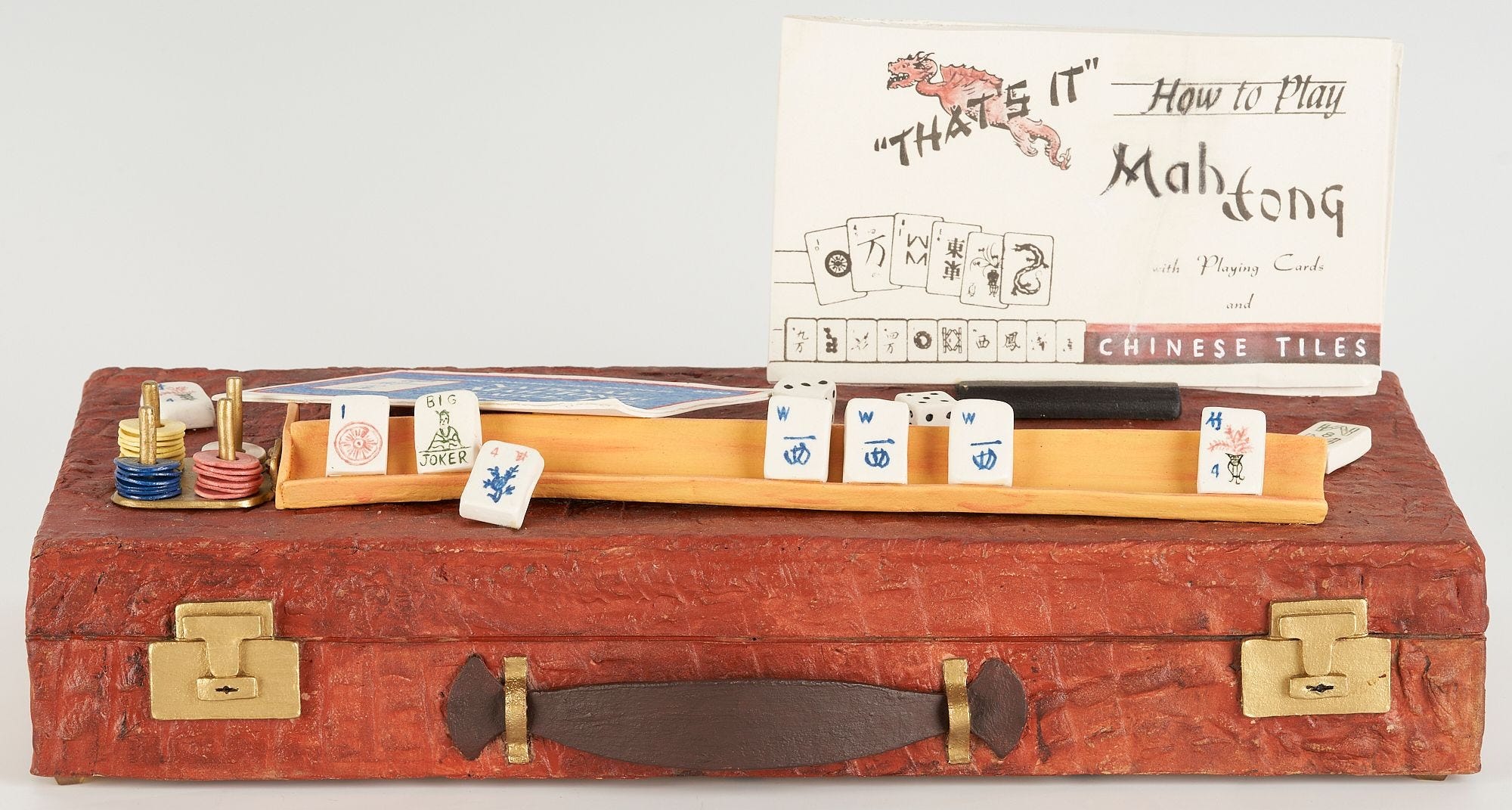
At first glance, it’s a mahjong set on an alligator case. Look again. Sylvia Hyman’s Remembering Dianne is actually a trompe-l’œil sculpture made from stoneware and porcelain. The tiles, the case—the whole damn thing is ceramic!
What is the asking price? The person who guesses closest to its final price wins!
Reply to this email or click the button below to submit your guess.
Honor system, please—no using Google to look up the answer! (If you do cheat, we still get the engagement, but you’ll have to live with yourself!)
The Stakes
Whoever gets the closest guess each week wins an entry into our grand prize drawing! We’ll be holding the final drawing on October 15th—the more weeks you win, the higher your chances! Our winning threader gets:
A featured spotlight for you/your firm in an upcoming issue of Mr. Thread.
Another special mystery gift from yours truly, Mr. Needle.
Stay sharp,
Mr. Needle
🎨 THIS WEEK’S ART
I never heard of …
Enjoying Mr. Thread?
How can we make this better? We read every message and genuinely want to know what you think.
Q&A
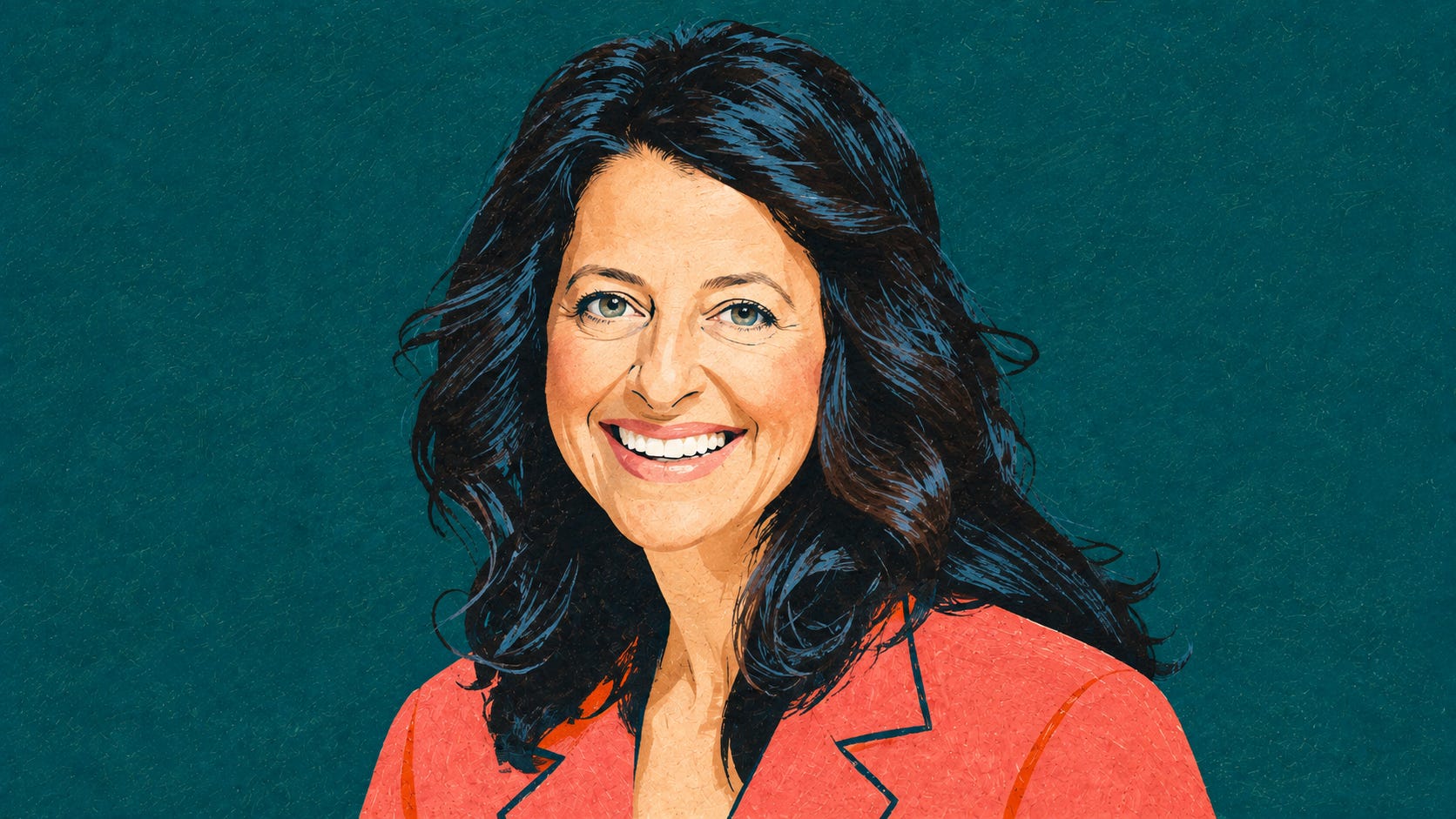
SITDOWN WITH MR. THREAD
Elaine Barsoom on AI, taste and the work you hate
Elaine Barsoom is a partner at AIVC, venture partner at Silicon Foundry and a former technology innovation leader at Nike, with earlier roles at American Express and Airbnb. She now helps businesses put AI to work. We asked her about the role of AI in the interior design industry, the jobs nobody wants to do, and why she still needs someone with a good eye.
Q: I understand you’re moving into a new office. Did you use AI during the design process?
A: We used ChatGPT and Gemini for imaging. We had to redo the whole space. I should have done the before and after to show you. It was really helpful to source products too. Our interior designer was great.
Q: Was your designer already on board with AI?
A: Yes, she was.
